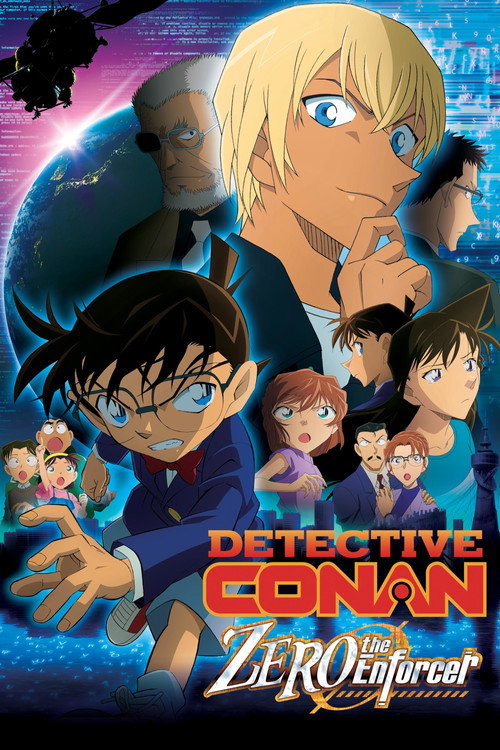
Case Closed: Zero the Enforcer
2018
No user ratings available yet
Representation score: 2.4 out of 10
Representation Score
Limited
2017
PG-13Director
Kobun Shizuno
Runtime
112 minutes
Average Rating
No ratings yetNew Showbiz Analysis
The film is a genre-driven mystery that emphasizes established clichés over social disruption. It operates within a conservative structure, reinforcing traditional romantic and social norms. While female characters show resilience and strength, the overall narrative architecture centers on conventional hero archetypes. The story is culturally specific and homogeneous, lacking globalized or perspectives that reflect multiple aspects of identity. Ultimately, the film focuses on fulfilling genre expectations without significantly representing diverse identities or critiquing systemic issues.
Category Breakdown
The film follows traditional heterosexual relationships, focusing on the romance between Shinichi Kudo and Ran Mouri. It does not include characters with non-binary or non-cisgender identities.
Female characters such as Kazuha Toyama and Ran Mouri exhibit strength and resilience. However, the story upholds traditional gender roles without challenging them.
The cast is primarily made up of characters from a similar cultural background, reflecting the local Japanese setting. The story does not explore globalized racial dynamics or diverse ethnic backgrounds.
The plot adheres to traditional social orders and procedural justice, maintaining a stable moral compass typical of mystery conventions. It does not critique authority or institutions.
The film does not prominently depict characters with visible or invisible disabilities. Characters are portrayed through standard archetypes without disability being a central theme.
Present on Screen
Limited or Absent
Official Synopsis
Bombing case at Nichiuri TV in autumn. The Satsuki Cup, which crowns the winner of Japan's Hyakunin Isshu, is currently being filmed inside the facility. The incident results in a big commotion and, while the building is burning to ashes, the only people left inside are Hattori and Toyama Kazuha. They get rescued just in time by Conan , who rushes to the scene. Both the identity and purposes of the bomber are unknown.
2018

2001
2010
2009

2024
2014
2015

2019
No reviews yet. Be the first to share your thoughts on this movie!
Use the rating form above to leave a star rating and optional review.