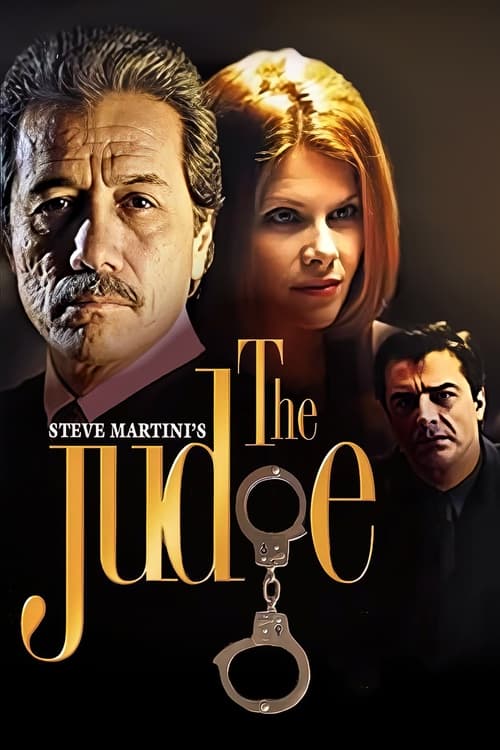
The Judge
2001
No user ratings available yet
Representation score: 5.5 out of 10
Representation Score
Limited
2000
Director
Zdeněk Zelenka
Average Rating
No ratings yetNew Showbiz Analysis
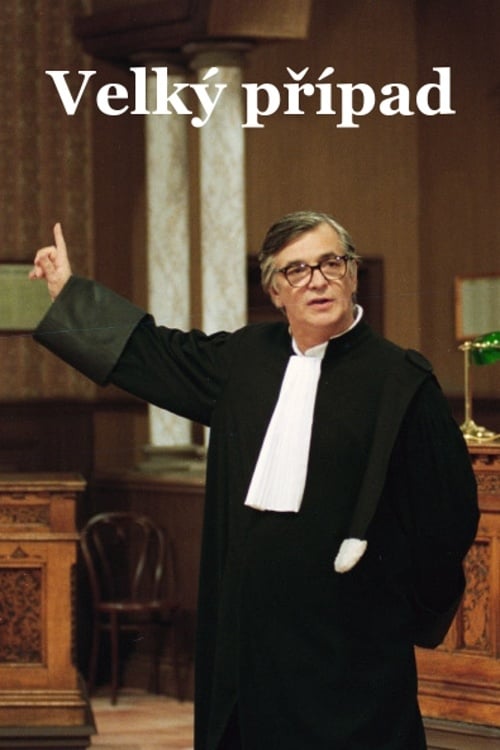
Velký případ is a procedural drama that prioritizes ethical dilemmas and the mechanics of the legal system over social diversity. It succeeds in centering a female protagonist within a high-stakes judicial conflict, providing a degree of gender ability to act. However, the film remains largely traditional in its social composition. It lacks racial diversity and queer representation, adhering to the homogenous standards typical of European television dramas of its era. Ultimately, the film's value lies in its thematic critique of institutional power rather than its demographic breadth. It explores how truth is manipulated by those in positions of authority.
Category Breakdown
The story centers on a romantic relationship between Genevieve Leblanc and Dupré. There is no evidence of queer-coded subtext or non-traditional gender identities within the narrative.
Genevieve Leblanc serves as a central protagonist whose legal crisis drives the plot. Her actions challenge the male-dominated institutional power and legal manipulation she faces.
The production reflects a homogeneous European demographic. There is no evidence of racial blending or diverse casting within the provided context.
The film critiques the perceived infallibility of Western legal institutions. It explores the tension between systemic truth and the outward appearance of justice.
The narrative provides no information regarding the depiction of physical, sensory, or neurodivergent characters.
Present on Screen
Limited or Absent
Official Synopsis
Based on the novel by French writer Jean Labord, who was a long-time court reporter for the Paris newspaper France-Soir, Jiří Hubač wrote a compelling story with a strong ethical message. The television film of the same name, directed by Zdeněk Zelenka, tells the story of the eternal fluctuation of justice between truth and its outward appearance. It focuses on a case of judicial error, the victim of which is a young nurse, Genevieve Leblanc. She is accused of giving a lethal injection to her lover, government advisor Dupré. In the court investigation, two prominent lawyers clash: Judge Gaudet, who gradually becomes convinced that the girl is innocent, and attorney Cassidis, who elegantly manipulates witnesses, facts, and words.
2001
1989

2000
2019
1988
2009
2019
1991
No reviews yet. Be the first to share your thoughts on this movie!
Use the rating form above to leave a star rating and optional review.