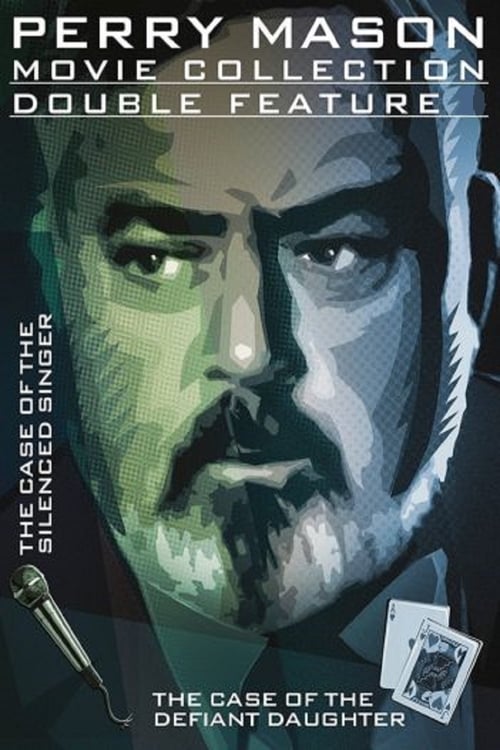
Perry Mason: The Case of the Defiant Daughter
1990
No user ratings available yet
Representation score: 1.7 out of 10
Representation Score
Limited
1988
TV-PGDirector
Christian I. Nyby II
Runtime
91 minutes
Average Rating
No ratings yetNew Showbiz Analysis
This Perry Mason installment exemplifies late-20th-century procedural storytelling. Its narrative structure aims to affirm the reliability of the legal system and its central figures rather than challenge them. The film focuses on restorative justice, emphasizing the correction of a judicial error to restore social order. This approach reinforces existing societal structures and traditional character types common to the era. Ultimately, the production lacks the intention to disrupt conventional social hierarchies, favoring a traditional view of institutional effectiveness and professional class homogeneity.
Category Breakdown
The film follows the typical heterosexual and cisgender norms of 1980s television. There is no indication of non-binary gender identities or stories that question traditional social structures.
The male protagonist, Perry Mason, drives the central ability to act within male-dominated legal and professional sports environments. The narrative does not challenge traditional gender hierarchies or depict masculinity as incompetent.
The production reflects the homogeneous demographics of late-80s crime dramas. Despite involving professional baseball, there is no confirmation of a predominantly non-white cast.
The story upholds the stability of Western legal systems by addressing the correction of judicial errors. It does not challenge capitalist ideologies or depict traditional family structures as oppressive.
Disability is not a central theme in this mystery series. There is no evidence of characters with visible or invisible disabilities significantly influencing the plot.
Present on Screen
Limited or Absent
Official Synopsis
Mason defends a man he had sentenced to prison when he was an appellate-court judge. Now, 18 months after the sentencing, a new witness turns up to prove the man's innocence. Mason steps in to defend the man.
1990

1989
1989

1990
1991
1986
1987
1992
No reviews yet. Be the first to share your thoughts on this movie!
Use the rating form above to leave a star rating and optional review.