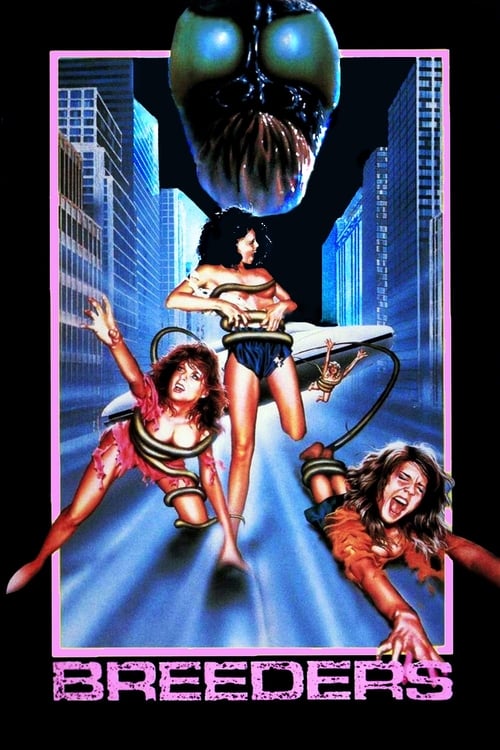
Breeders
1986
No user ratings available yet
Representation score: 1.5 out of 10

Representation Score
Limited
2014
Director
Kevin Clark, Manzie Jones
Runtime
74 minutes
Average Rating
No ratings yetNew Showbiz Analysis
666: The Devil's Child is a conventional horror film that emphasizes genre clichés over social commentary. While it attempts to challenge traditional biological norms through a supernatural pregnancy plot, it does not develop these elements to create meaningful representation. The production lacks depth in reflecting multiple aspects of identity, relying instead on established archetypes and a traditional character framework. Ultimately, the film functions as a standard thriller that does not intentionally disrupt traditional narrative hierarchies or offer significant cultural or racial diversity.
Category Breakdown
The story focuses on a heterosexual relationship between Brad, Jessica, and Vanessa. There are no characters who identify as LGBTQ+ or have non-traditional gender expressions.
Vanessa starts off as a strong, professional filmmaker but later becomes a victim when she is lured into a trap, which is a common cliché that diminishes her autonomy.
The film does not show any racial diversity or include actors from different ethnic backgrounds. It operates within a traditional, homogeneous framework without non-white or non-Anglo-Saxon representation.
The film uses supernatural folklore and creatures from Hell as typical horror elements. It critiques social stability through horror but does not provide explicit ideological or secular commentary.
There is no information available regarding the inclusion of characters with physical, sensory, or neurodivergent disabilities.
Present on Screen
Limited or Absent
Official Synopsis
Vanessa, a documentary filmmaker, and she is making a film about folklore. Her best friend Brad was meant to help her, but he instead decides to go on a date with new love Jessica, who he met online. His new girlfriend persuades Vanessa to join him by telling her the house is haunted and would be a good subject for her film, but it turns out she has been lured into a trap and she is a creature from Hell. Quite how she will be impregnated by a female demon will be revealed in the movie.
1986
2020
2012
2007
2007
2009
2020
2018
No reviews yet. Be the first to share your thoughts on this movie!
Use the rating form above to leave a star rating and optional review.