
Laid in America
2016
No user ratings available yet
Representation score: 2.3 out of 10
Representation Score
Good
2014
TV-14Director
Charles Chu, Gavin Kelly
Runtime
104 minutes
Average Rating
No ratings yetNew Showbiz Analysis
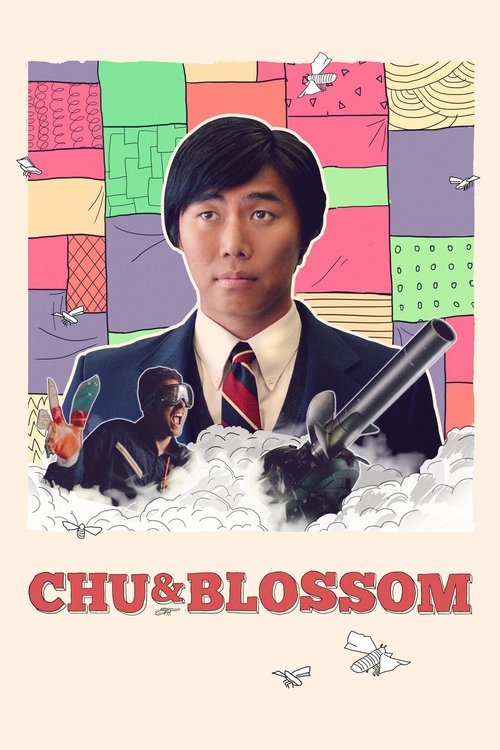
Chu and Blossom uses a fish-out-of-water cliché to challenge the demographic expectations of a traditional Southern town. By featuring a Korean protagonist and a radical artist, the film creates tension against a historically homogeneous environment. The film’s strength lies in its racial and cultural disruption, prioritizing the ability to act of outsiders to challenge the status quo. However, the narrative lacks explicit confirmation of LGBTQ+ identities or disability representation. While the character archetypes suggest potential for subversion, the specific depictions remain unverified.
Category Breakdown
The film includes a militant performance artist who often explores non-traditional gender expressions. However, there is no clear indication of queer identities or romantic relationships.
The militant performance artist likely challenges traditional views of masculinity and femininity. This character disrupts local social expectations about gender roles.
The story focuses on a Korean foreign-exchange student living in a small Southern town. This setup challenges the historical Western homogeneity by highlighting a minority perspective.
The narrative contrasts a globalized exchange student with a traditionalist setting. This arrangement allows for a critique of local traditions through the eyes of an outsider.
There is no information about the portrayal of physical or neurodivergent disabilities in the film.
Present on Screen
Limited or Absent
Official Synopsis
A militant performance-artist and a tall Korean foreign-exchange student become trapped in a small Southern town.
2016
2017
2014

2014
2013
2004
2011
2016
No reviews yet. Be the first to share your thoughts on this movie!
Use the rating form above to leave a star rating and optional review.