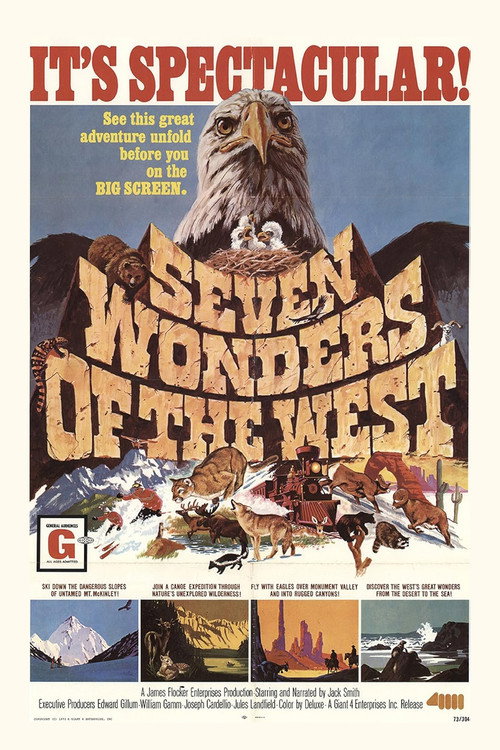
Seven Wonders of the West
1973
No user ratings available yet
No diversity score available
2016
TV-GDirector
Alexander Sass
Runtime
53 minutes
Average Rating
No ratings yetSynopsis
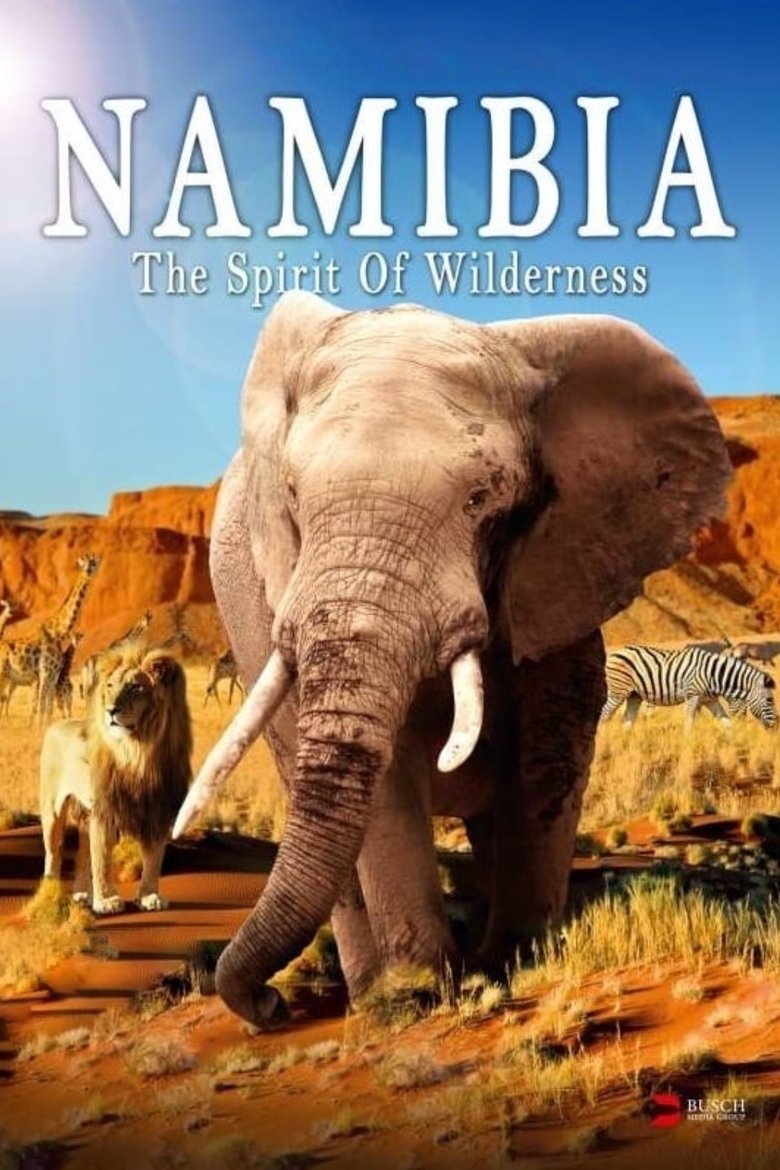
With more than 300 days a year, the sun dominates this country so much that it’s even shining from their flag. It’s a barren land, sometimes it’s like it’s from another planet but still familiar. It is land of contrasts and colours with wide landscapes and fascinating deserts. Influenced by various cultures during colonization and now reborn from the shadows of Apartheid in 1990, Namibia gives a beautiful collage of culture, language, art, music and food. Everyone who loves an adventure should travel to Namibia, the precious corner of our world full of incredible natural wonders. The experience of endless landscapes and an unparalleled blaze of colour make Namibia unforgettable. NAMIBIA – THE SPIRIT OF WILDERNESS invites you on a trip whose fascination will never let you go: From the Namib Desert over the breath-taking Fish River Canyon to the spectacular Etosha National Park where you will see wild elephants, antelopes, giraffes, zebras and lions.
Overall Score
Limited
Category Breakdown
LGBTQ+ Representation
The documentary focuses exclusively on wildlife and natural landscapes. No human characters or interpersonal narratives are present to depict gender identity or sexual orientation.
Gender Representation
The film lacks human cast members or character arcs. There is no opportunity for the subversion or reinforcement of traditional gender hierarchies or social roles.
Racial & Ethnic Diversity
The film remains strictly observational of the natural world rather than a sociological study. While the setting involves a nation reborn from Apartheid, the film does not engage with racial agency.
Religious & Cultural Diversity
The film focuses on the cycle of life and ecological survival. It maintains a neutral, secular, and observational tone without promoting specific religious or political ideologies.
Disability Representation
There are no human subjects depicted. Consequently, there is no representation of physical, sensory, or neurodivergent identities.
Strengths
Areas for Improvement
AI Analysis
This documentary functions as a visual survey of the Namibian ecosystem, prioritizing ecological observation and landscape cinematography. The narrative architecture is centered on non-human subjects and environmental phenomena rather than human-centric storytelling. Because the film focuses on biological adaptations and the majesty of the natural world, it lacks the social semiotics necessary to evaluate identity politics or interpersonal power dynamics. The absence of human characters means social hierarchies are not addressed. Ultimately, the low diversity score is a result of genre-specific constraints. The film is designed to highlight environmental majesty, which precludes the inclusion of complex human social dynamics or intersectional representation.
1973
2007
2011
1953
2015
2025
2012
1992
2018
1974
1996
2015
No reviews yet. Be the first to share your thoughts on this movie!
Use the rating form above to leave a star rating and optional review.