
LSD: Love, Sex aur Dhokha
2010
No user ratings available yet
Representation score: 8.4 out of 10
Representation Score
Good
2014
Not RatedDirector
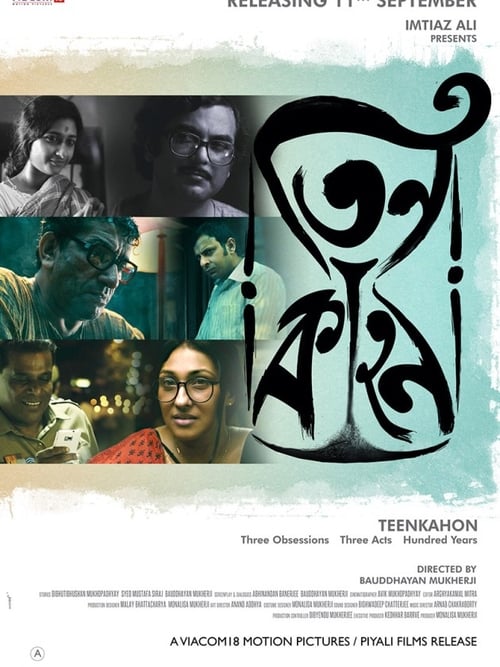
Bauddhayan Mukherji
Runtime
124 minutes
Average Rating
No ratings yetNew Showbiz Analysis
Teenkahon functions as a sophisticated triptych designed to critique the erosion of historical values and the degradation of ethical standards in Bengal. The film avoids a simple moral arc, opting instead for a complex, observational approach to social decay. The narrative's strength lies in its deconstruction of traditional social fabrics and its refusal to provide a comfortable moral compass. By highlighting the fragmentation of linguistic and social structures, it elevates the work into a postmodern critique of identity. While the film excels at regional specificity and systemic critique, it lacks explicit representation of disability. Its focus remains primarily on the sociopolitical and moral shifts within the Bengali landscape.
Category Breakdown
The film explores changing moral landscapes, suggesting frameworks for diverse interpersonal dynamics. It avoids traditional clichés by focusing on evolving social fabrics.
The narrative critiques the decline of traditional values, often targeting patriarchal structures. It explores the tension between historical domestic roles and modern women's roles through its changing moral lens.
Rooted in Bengali identity, the film uses regional specificity rather than a color-blind approach. It examines how ethnic identities intersect with modernizing forces.
The film engages heavily with moral relativism and the decay of established institutions. It challenges conservative social structures by focusing on systemic shifts and linguistic changes.
There is no explicit evidence regarding the depiction of physical or neurodivergent disabilities within the narrative.
Present on Screen
Limited or Absent
Official Synopsis
Three stories show the changing face of morality, the degeneration of values, the increasing pollution of the spoken language, and the changing social fabric of Bengal.
2010
2004
2003
2018

2009
2016
2014
2013
No reviews yet. Be the first to share your thoughts on this movie!
Use the rating form above to leave a star rating and optional review.