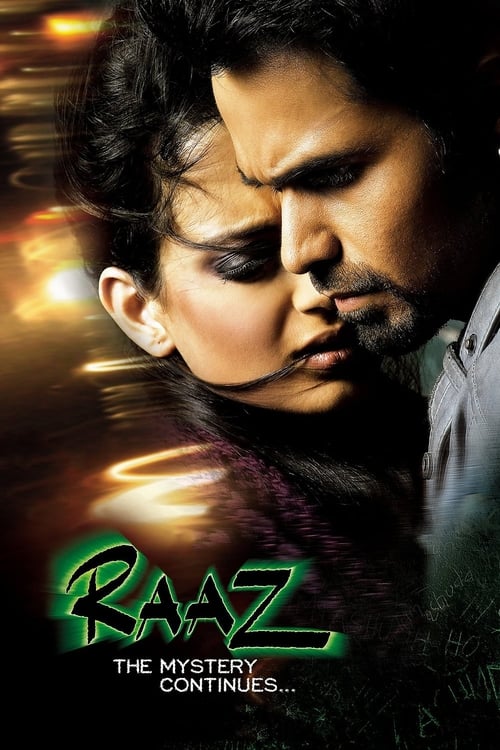
Raaz: The Mystery Continues...
2009
No user ratings available yet
Representation score: 2.0 out of 10
Representation Score
Fair
2003
Not RatedDirector
Anurag Basu, Anil V. Kumar
Runtime
142 minutes
Average Rating
No ratings yetNew Showbiz Analysis
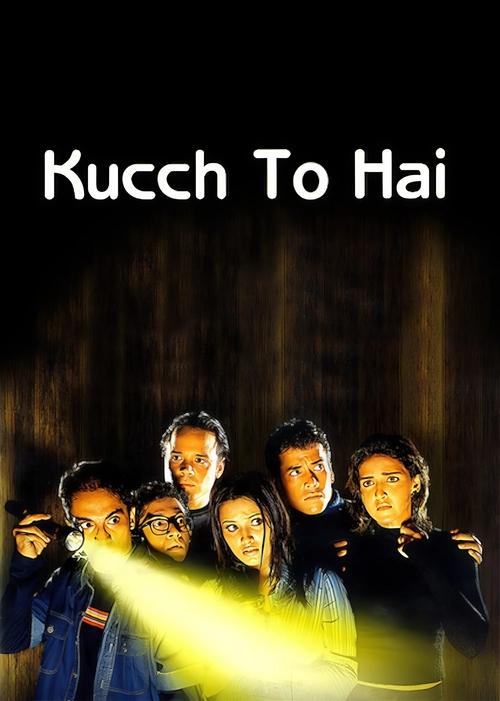
Kucch To Hai is a conventional genre piece that reflects the mainstream commercial structures of early 2000s Indian cinema. The film prioritizes established clichés over any systemic narrative deconstruction or engagement with identity politics. The narrative structure reinforces existing social and romantic norms. It operates within a traditional framework that lacks the intentionality to challenge hierarchies or offer critiques of capitalism, secularism, or Western institutions. Ultimately, the film serves as a product of its temporal context. It focuses on a group of friends and a mystery without exploring diverse lived experiences or underrepresented identities.
Category Breakdown
The film follows traditional structures that assume everyone is straight and cisgender. There is no evidence of non-binary gender identities or same-sex relationships.
The story adheres to romantic courtship clichés of the early 2000s. While the female lead has some control over her romantic choices, the power dynamics largely follow traditional hierarchies.
The cast is predominantly Indian, reflecting the urban Indian experience consistently. It avoids whitewashing but lacks diverse casting or radical shifts in representation.
The film centers on middle to upper-middle-class urban life. It focuses on personal romance rather than challenging traditional family or religious structures.
There is no discernible presence of characters with visible or invisible disabilities. The narrative does not use disability as a tool for character development.
Present on Screen
Limited or Absent
Official Synopsis
A group of friends, who have a dark past, reunite at a wedding where a mysterious assailant tries to murder them for the sake of revenge.
2009
2007
2011

2013
2016
2013

2002
2017
No reviews yet. Be the first to share your thoughts on this movie!
Use the rating form above to leave a star rating and optional review.