Paris Pigalle
2018
No user ratings available yet
Diversity score: 4.3 out of 10
1993
Director
Lam Yee Hung
Runtime
90 minutes
Average Rating
No ratings yetSynopsis
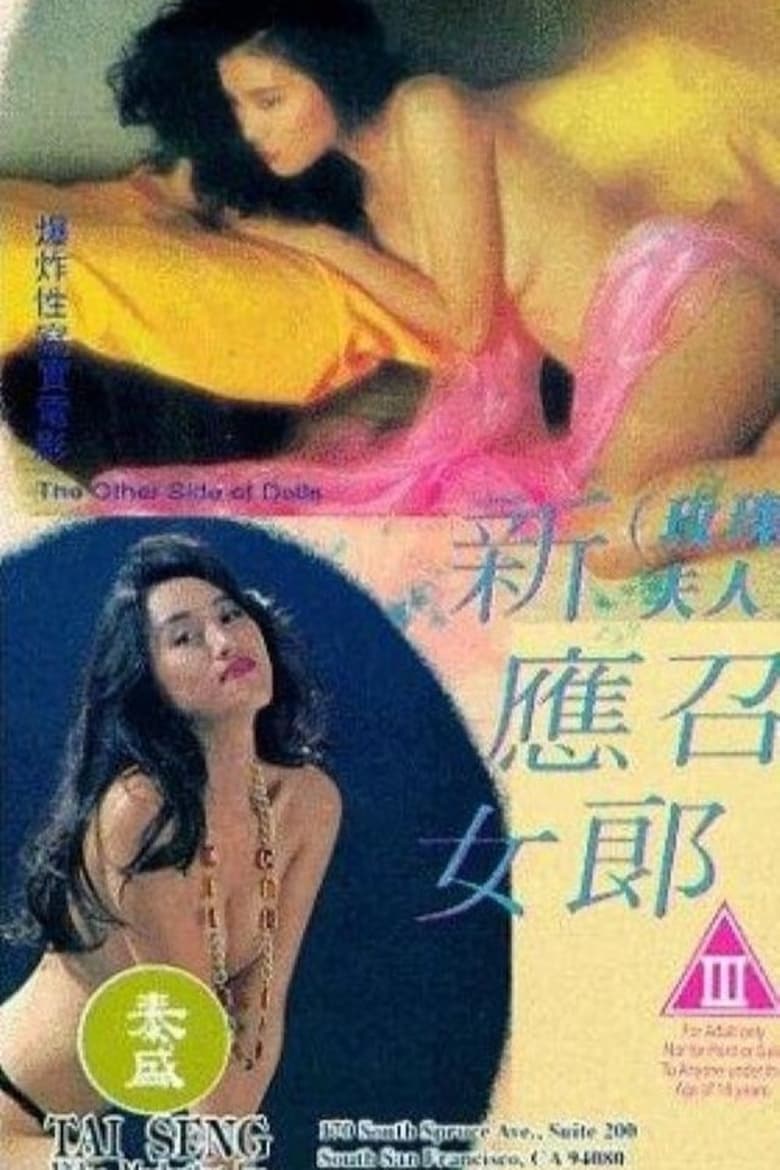
A model training center is set up by Lady Rose, which aims to provide sex partners for men with high social status. However, Lady Rose's main purpose is to blackmail the reputable men for money. A fashion show of undergarment is held, Lady Rose's models appear in their sexiest and most seductive underwear, and men cannot stop looking for partners. The dirty business of Lady Rose is finally exposed and shakes up the city when a model is killed...
Overall Score
Fair
Category Breakdown
LGBTQ+ Representation
The narrative focuses on transactional relationships between female models and high-status men. There is no evidence of queer romantic arcs or non-cisnormative identities present.
Gender Representation
Lady Rose displays significant agency through her manipulation of social elites. However, the film's reliance on the objectification of women and sexual capital limits its progressive impact.
Racial & Ethnic Diversity
The cast reflects the ethnically homogeneous nature of early 1990s Hong Kong cinema. It represents a specific cultural milieu without Western-centric racial hierarchies.
Religious & Cultural Diversity
The film critiques social hypocrisy by exposing the corruption of the upper class. It uses crime-drama tropes to challenge the perceived stability of established social institutions.
Disability Representation
There is no information available regarding the inclusion of characters with visible or invisible disabilities.
Strengths
Areas for Improvement
AI Analysis
The film operates primarily as a genre-driven piece of commercial cinema. It explores the intersection of high-society reputation and underground exploitation through a lens of melodrama. While the story disrupts the idea of moral stability among the elite, it does so through traditional tropes of sexual commodification. The narrative structure leans heavily on the male gaze and transactional power dynamics. Ultimately, the work functions as a critique of social hypocrisy rather than a vehicle for progressive identity politics or intersectional representation.
2018
2002

1996

2021

1972

2007
1994

1983
1971

2014

2017

2002
No reviews yet. Be the first to share your thoughts on this movie!
Use the rating form above to leave a star rating and optional review.