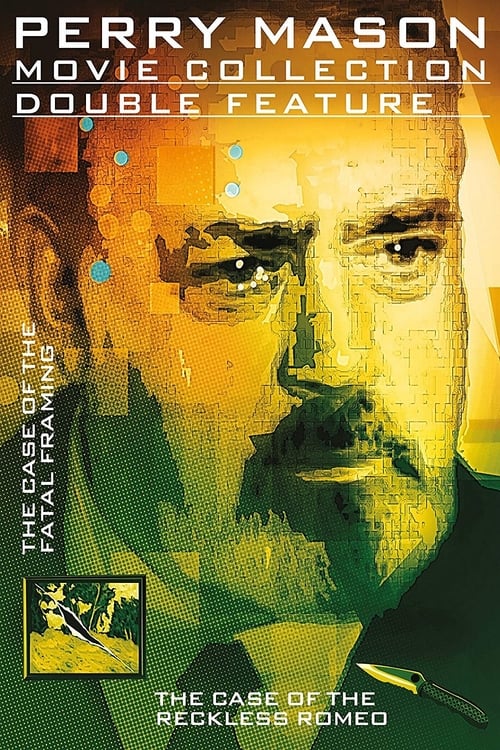
Perry Mason: The Case of the Reckless Romeo
1992
No user ratings available yet
Representation score: 3.6 out of 10
Representation Score
Minimal
1993
Director
Christian I. Nyby II
Runtime
96 minutes
Average Rating
No ratings yetNew Showbiz Analysis
This episode of the Perry Mason series adheres to traditional legal procedural storytelling, emphasizing the restoration of social order. The narrative leans heavily on established genre conventions, focusing on a male authority figure to resolve conflicts. The film maintains a conventional social landscape, lacking intentional diversity in the cast or challenging the status quo. Instead, it presents a homogeneous environment reflective of mid-century demographic norms. Ultimately, the work upholds institutional stability. By concentrating on the procedural aspects of justice, it reinforces traditional hierarchies rather than exploring diverse perspectives or identities.
Category Breakdown
The film does not include any LGBTQ+ characters or non-cisgender identities. Relationships are presented through heterosexual norms.
Kris Buckner plays a key role but her influence is tied to her status as a suspect. The story emphasizes a hierarchy where Perry Mason dominates intellectually.
The cast is primarily composed of white actors, reflecting the typical demographics of the era. The social environment is largely uniform and follows traditional demographic norms.
The story upholds the legitimacy of Western legal systems. It portrays the legal system as the primary means for resolving conflicts without questioning its foundations.
The film does not depict any characters with physical or cognitive disabilities. There are no character arcs centered around neurodivergence or physical impairments.
Present on Screen
Limited or Absent
Official Synopsis
On the set of a popular daytime soap opera 'Mile High', actress Kris Buckner is being forced off by co-star Mark Stratton. When she says that she'll 'kill him before she leaves the show', she makes herself the prime suspect when Stratton is murdered by someone poisoning him. As an old friend, Perry Mason comes to the help of Kris and agrees to defend her. Meanwhile Ken goes in search of information with the help of fan of the show.
1992
1993
1992

1989
1993
1990
1989
1991
No reviews yet. Be the first to share your thoughts on this movie!
Use the rating form above to leave a star rating and optional review.