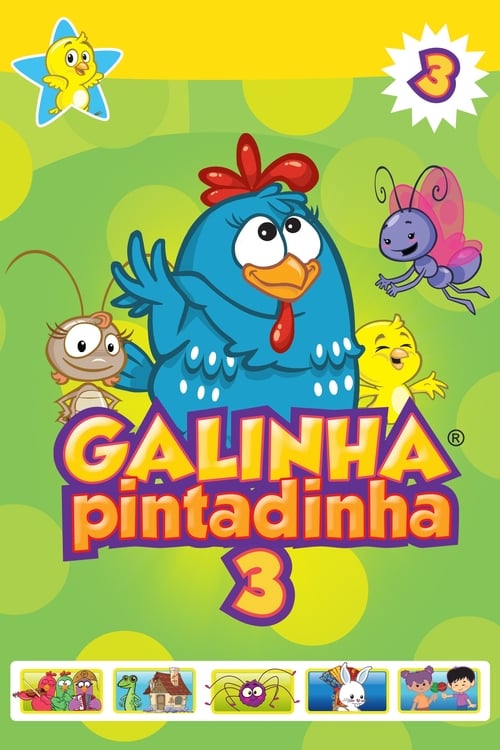
Lottie Dottie Chicken 3
2012
No user ratings available yet
Representation score: 2.7 out of 10
Representation Score
Limited
2008
Director
Marcos Patrizzi Luporini, Juliano Prado
Runtime
30 minutes
Average Rating
No ratings yetNew Showbiz Analysis
Lottie Dottie Chicken is a simple musical tool aimed at early childhood development rather than narrative exploration. Its simplicity stems from its target demographic, emphasizing repetitive auditory and visual stimuli over character-driven storytelling. The production operates within a neutral, structured framework. By using anthropomorphic animals and nursery rhymes, it avoids most social complexities, resulting in a lack of representation for identity-based themes like race, disability, or LGBTQ+ identities. Ultimately, the series creates a stable, safe environment for preschoolers. It adheres to traditional educational formats that prioritize developmental consistency over the disruption of social hierarchies or the exploration of diverse lived experiences.
Category Breakdown
The series does not include any LGBTQ+ characters or explore non-cisgender identities. The focus is solely on simple nursery rhymes and animal characters.
The main character is a female chicken, but gender roles are not emphasized. Characters follow rhythmic cues rather than social hierarchies, avoiding both subversion and overt patriarchal reinforcement.
Race is abstracted through the use of anthropomorphic animals. Although the Brazilian origin provides a non-Anglo-Saxon context, the lack of human characters prevents a deeper look at ethnic diversity.
The project uses traditional nursery rhymes and structured music. It prioritizes stability and moral clarity over engagement with complex secular or anti-Western frameworks.
No visible or invisible disabilities are shown. Characters are depicted as physically strong and neurotypical, serving as models for motor skill development.
Present on Screen
Limited or Absent
Official Synopsis
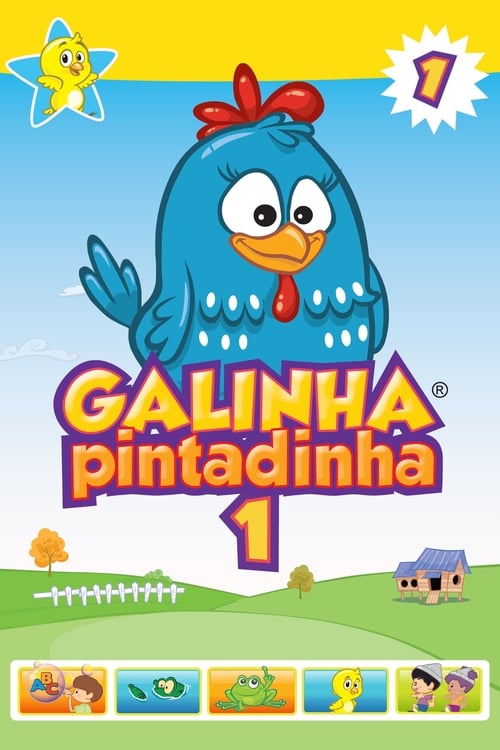
Galinha Pintadinha, (English translation: The Dappled Chicken) known also as "Lottie Dottie Chicken" is a Brazilian project for children's music, created by Juliano Prado and Marcos Luporini. The songs are originally in Portuguese and are getting millions of downloads on YouTube. Some of the songs have been already translated into Spanish and English.
2012

2010
2018
2007
2003
1943
1949

2014
No reviews yet. Be the first to share your thoughts on this movie!
Use the rating form above to leave a star rating and optional review.