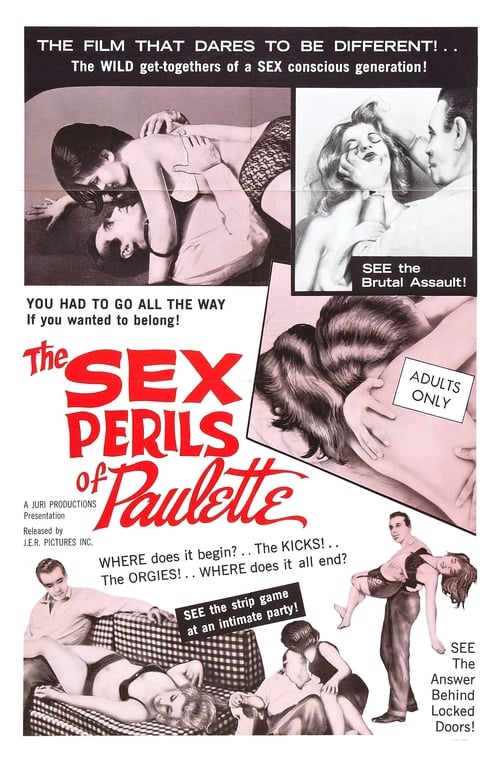
The Sex Perils of Paulette
1965
No user ratings available yet
Diversity score: 5.6 out of 10
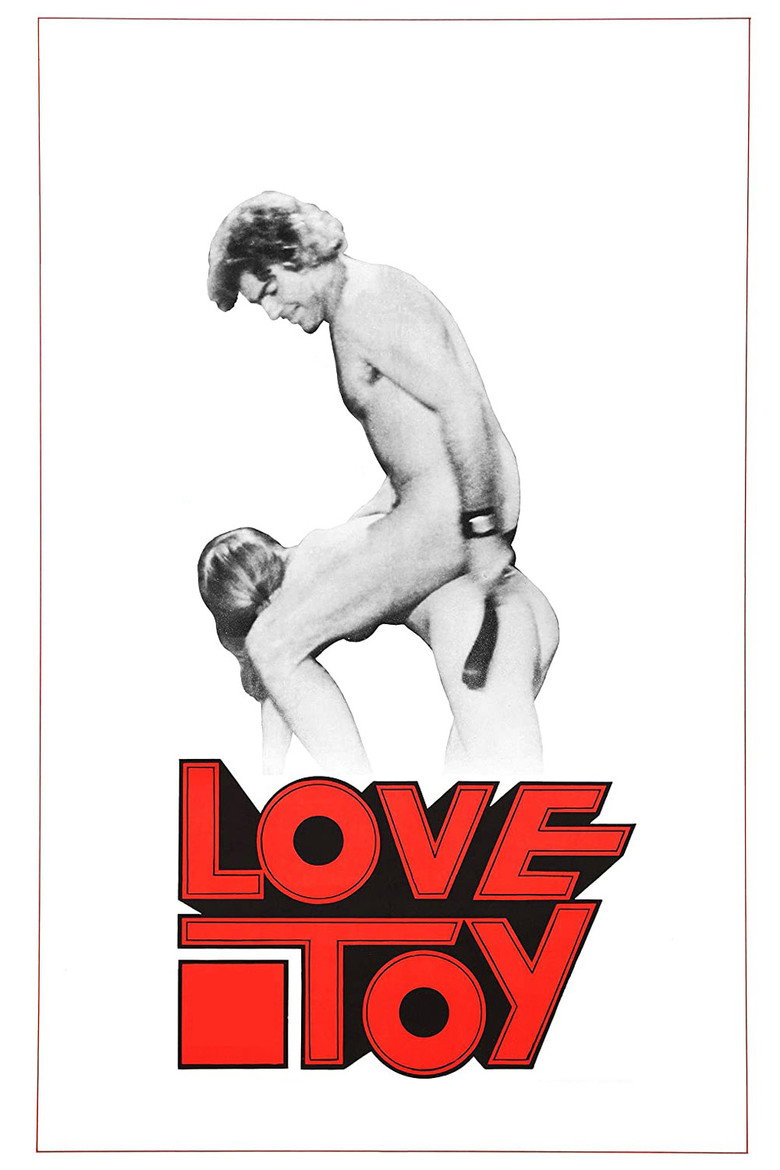
1971
Director
Doris Wishman
Runtime
75 minutes
Average Rating
No ratings yetSynopsis
A degenerate gambler, unable to come up with the cash necessary for a high stakes gin rummy game, bets his nubile daughter. And loses. His daughter immediately becomes the delectable property of a hot-to-trot sex fiend and the film promptly becomes a catalog of perversion, wallowing in domination, humiliation, fetishism, voyeurism, masturbation, lesbianism, spanking, bondage, blowjobs, incest, and more.
Overall Score
Limited
Category Breakdown
LGBTQ+ Representation
The film includes depictions of lesbianism that depart from standard heteronormative structures. However, these scenes function primarily as voyeuristic tropes rather than nuanced character studies.
Gender Representation
Director Doris Wishman subverts patriarchal archetypes by portraying male figures as morally bankrupt and degenerate. The narrative centers the female protagonist's sexual journey and bodily autonomy.
Racial & Ethnic Diversity
The film features a relatively homogeneous cast typical of low-budget urban exploitation cinema. There is no evidence of diverse ethnic identities or intentional race-bending.
Religious & Cultural Diversity
The story critiques the stability of the Western family unit by depicting a father gambling away his daughter. It focuses on individual transgression rather than systemic critique.
Disability Representation
There is no discernible evidence of characters with visible or invisible disabilities. The narrative lacks engagement with neurodivergence or physical impairment.
Strengths
Areas for Improvement
AI Analysis
Love Toy operates as a transgressive exploitation text that disrupts traditional social hierarchies. By centering a female director's perspective, the film deconstructs masculine authority through the portrayal of incompetent, transactional male characters. While the film explores non-heteronormative intimacy and challenges gendered agency, it remains limited by its genre framework. The inclusion of queer-coded elements lacks deep character development, serving more as a departure from mainstream norms than a complex exploration. Ultimately, the film's impact is constrained by a lack of racial and disability-related inclusivity. It functions as a study of moral relativism and the breakdown of the nuclear family within an urban underworld.
1965
1969

2004

1973

1972
1982

1981

1998
1966
1969

1999
1968
No reviews yet. Be the first to share your thoughts on this movie!
Use the rating form above to leave a star rating and optional review.