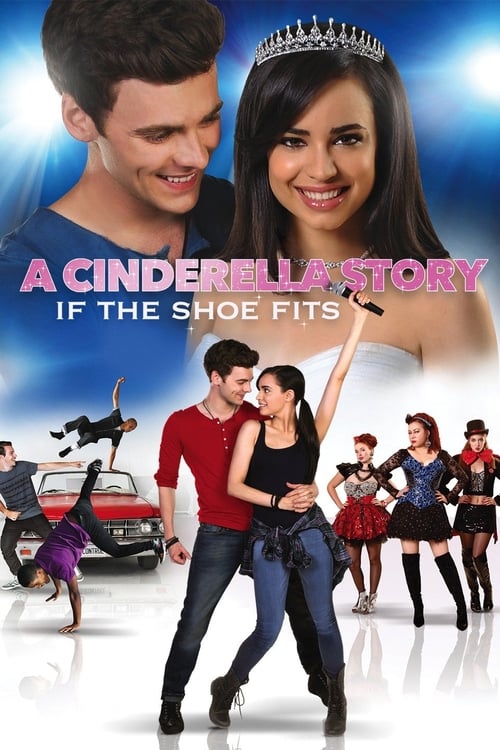
A Cinderella Story: If the Shoe Fits
2016
No user ratings available yet
Representation score: 2.1 out of 10
Representation Score
Limited
1960
NRDirector
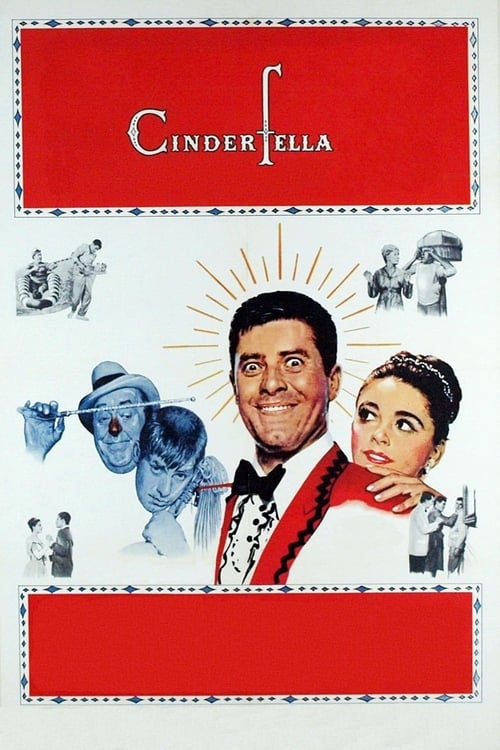
Frank Tashlin
Runtime
88 minutes
Average Rating
No ratings yetNew Showbiz Analysis
Cinderfella stands out by reversing traditional gender roles. By putting a male character in the role of a domestic servant, it disrupts the usual power dynamics found in 1960s animation. However, the film’s potential for progressiveness is limited due to its narrow focus. Using an all-animal cast prevents any meaningful representation of racial or ethnic diversity, and the narrative remains strictly focused on heterosexual relationships. Ultimately, the film serves as a parody of gender roles but does not address broader multi-layered identities.
Category Breakdown
The film does not include any LGBTQ+ characters or stories. The love story follows a traditional path centered around a royal figure, sticking closely to classic fairy tale formats.
The film challenges traditional gender roles by switching the Cinderella story to a male character. This change flips the usual provider role, showing a male in a domestic servant position.
The entire cast is made up of anthropomorphic animals, avoiding human racial stereotypes. However, this setup also means there is no meaningful representation of racial or ethnic diversity.
The story parodies Western folklore traditions. While it breaks down classic tales, it still centers on traditional monarchical structures and social advancement through marriage.
There are no characters with visible or invisible disabilities shown in the film. Characters are motivated by typical story elements like greed and romance, not by experiences of neurodiversity or physical disability.
Present on Screen
Limited or Absent
Official Synopsis
When his father dies, poor Fella is left at the mercy of his snobbish stepmother and her two no-good sons Maximilian and Rupert. As he slaves away for his nasty step-family, Maximilian and Rupert attempt to find a treasure Fella's father has supposedly hidden on the estate. Hoping to restore her dwindling fortunes, the stepmother plans a fancy ball in honor of the visiting Princess Charmein whom she hopes will marry Rupert. Eventually, Fella's Fairy Godfather shows up to convince him that he has a shot at winning the Princess himself.
2016
1997
2019
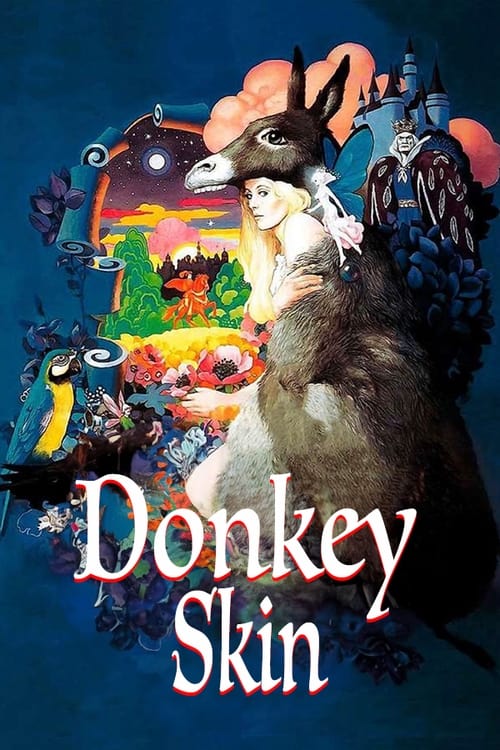
1970
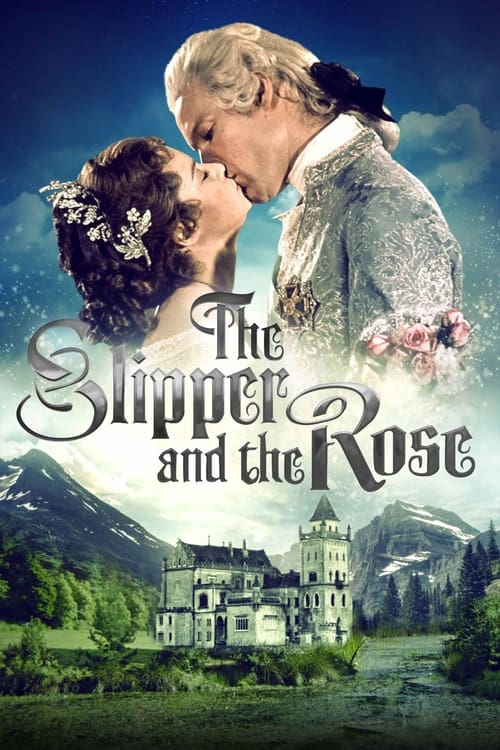
1976
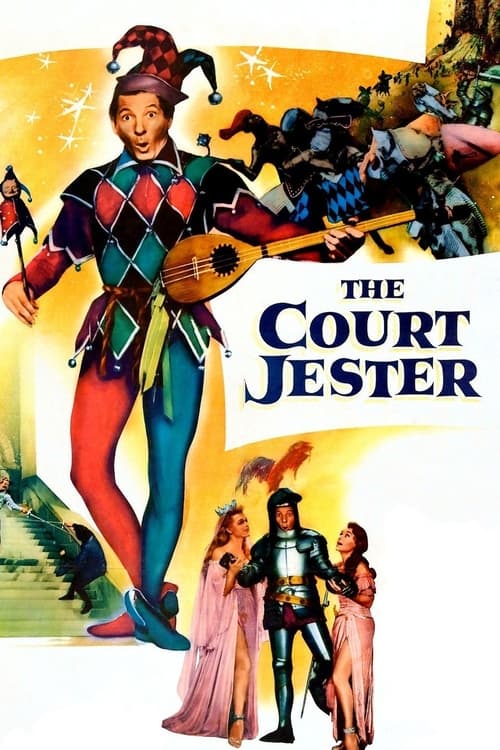
1955
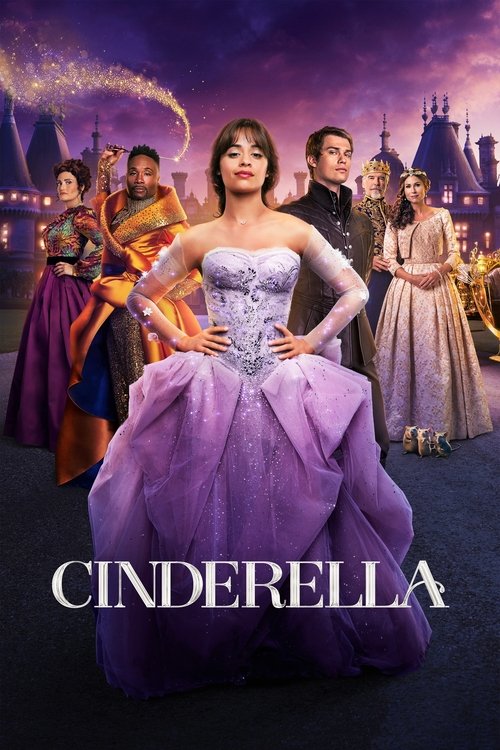
2021
1934
No reviews yet. Be the first to share your thoughts on this movie!
Use the rating form above to leave a star rating and optional review.