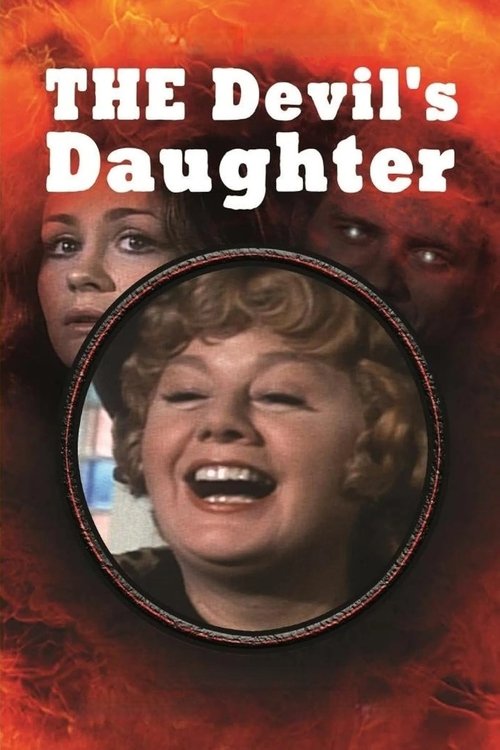
The Devil's Daughter
1973
No user ratings available yet
Representation score: 2.5 out of 10

Representation Score
Minimal
1976
UnratedDirector
Sam O'Steen
Runtime
96 minutes
Average Rating
No ratings yetNew Showbiz Analysis
This sequel operates mainly as a genre-driven horror film that adheres to the social and representational norms of the mid-1970s. While it delves into the erosion of domestic stability and religious sanctuary, it does so through a narrow lens of traditional character types. The film provides a moderate critique of institutional stability via its occult themes but fails to offer meaningful characters who reflect more than one aspect of diversity. The narrative remains focused on a specific, homogeneous demographic, lacking the subversion of traditional hierarchies needed for a higher score.
Category Breakdown
The film does not include any LGBTQ+ characters or themes. The storyline centers around the Woodhouse family and traditional heterosexual relationships.
Rosemary is a key character dealing with severe psychological stress. However, her role as a mother and wife within a patriarchal society often limits her influence.
The cast seems predominantly white, reflecting the demographics typical of 1970s television. Jewish identity is used as a plot device for supernatural protection but lacks deeper cultural representation.
The story examines the instability of belief systems through occult themes. It questions the effectiveness of religious institutions in the face of supernatural threats.
No characters with physical or neurodivergent disabilities are present. The narrative focuses solely on psychological suspense and supernatural elements.
Present on Screen
Limited or Absent
Official Synopsis
Baby Adrian is now all grown up and separated from his mother, wrestling with the occult influences that plague him, and trying to outrun Satan himself.
1973
2005

1991

1971

2006
1976

1978

2006
No reviews yet. Be the first to share your thoughts on this movie!
Use the rating form above to leave a star rating and optional review.