Hidden
2020
No user ratings available yet
Representation score: 6.9 out of 10
Representation Score
Good
2016
Director
Ayat Najafi
Runtime
91 minutes
Average Rating
No ratings yetNew Showbiz Analysis
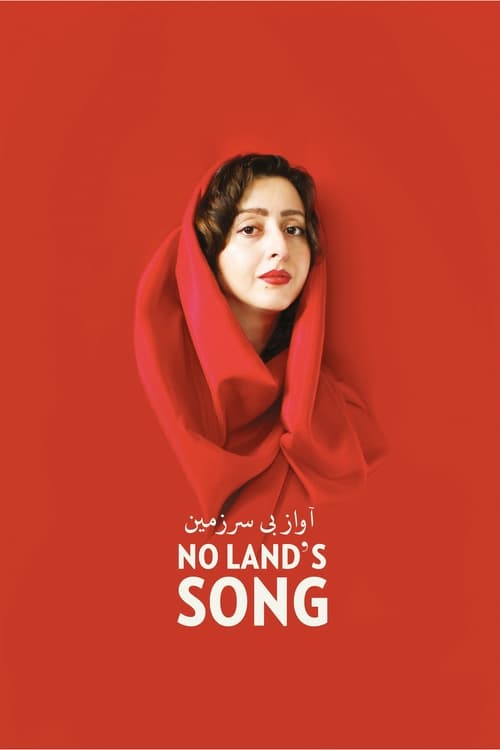
No Land's Song is a compelling look at the fight for women's musical expression in Iran. It places women at the forefront of a cultural movement, turning them from passive participants into active agents of social change. The film's strength lies in its multi-layered approach, using music as a bridge between Iranian and French artists to highlight universal themes of freedom. This international perspective enriches the critique of systemic censorship. However, the narrative focuses primarily on gendered and cultural issues, neglecting other dimensions of identity such as LGBTQ+ representation or disability.
Category Breakdown
The film does not include explicit LGBTQ+ characters or stories about non-assuming gender matches what was assigned at birth identities. While it focuses on breaking social rules for women, it does not explore queer identity or same-sex relationships.
The documentary highlights female leadership and empowerment. Women are shown as active leaders who use music to challenge patriarchal restrictions and broaden their social horizons.
The film establishes a cross-cultural dialogue by connecting Persian and European musical traditions. Including French musicians helps prevent a narrow view of the region through international collaboration.
The film critiques institutional limitations by emphasizing the importance of secular art over state-imposed restrictions. It examines the tension between personal expression and traditional norms.
The film does not feature any visible or invisible disabilities as central to the story. There is no specific representation of disability in the documented content.
Present on Screen
Limited or Absent
Official Synopsis
In Iran, since the 1979 Islamic revolution, women are no longer allowed to sing in public as soloists - at least in front of men. Defying censorship and taboos, the young composer Sara Najafi is determined to organize an official concert for solo female singers. In order to support their fight, Sara and her friends invite three French female singers, Elise Caron, Jeanne Cherhal and Emel Mathlouthi, to join them in Tehran and collaborate on their musical project, re-opening a musical bridge between Europe and Iran. Are they going to succeed and finally be gathered in Tehran, sing together, on stage and without restrictions, and to open a door towards a new freedom of women in Iran ?
2020
2011
2016
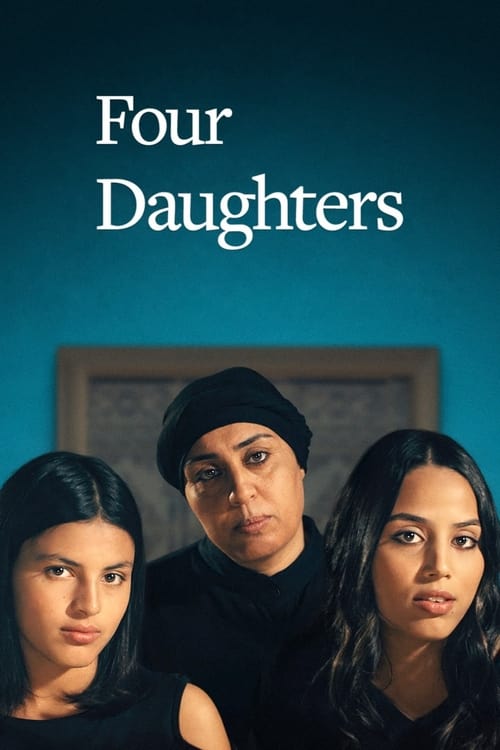
2023
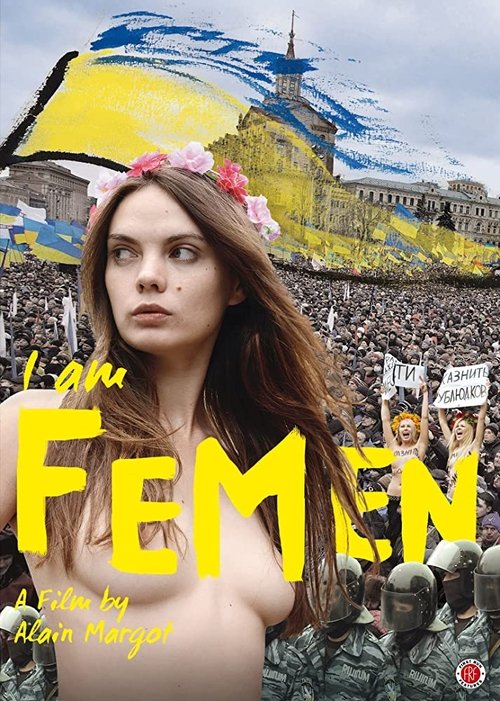
2014
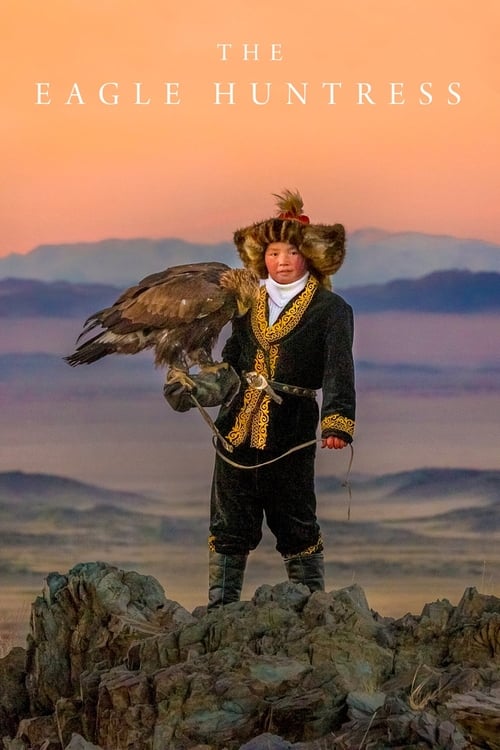
2016
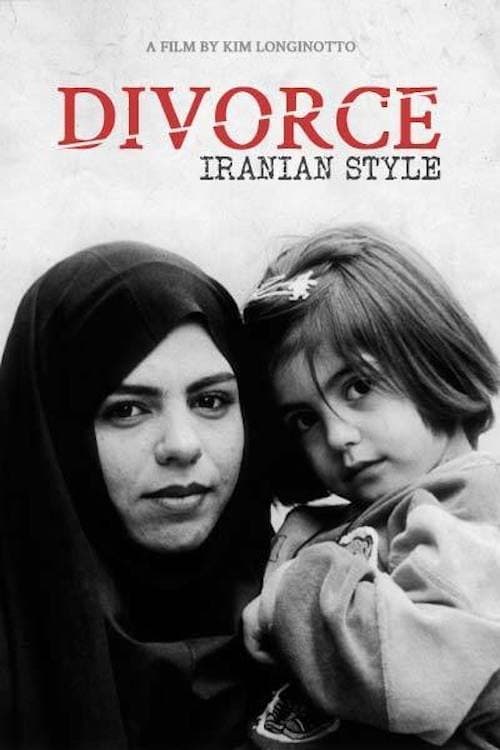
1998
2015
No reviews yet. Be the first to share your thoughts on this movie!
Use the rating form above to leave a star rating and optional review.