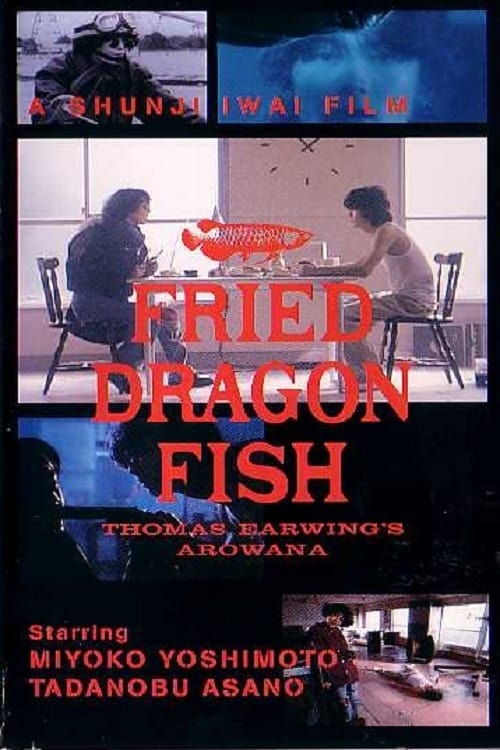
Fried Dragon Fish
1993
No user ratings available yet
Diversity score: 2.7 out of 10

1986
Director
Katsuhiko Fujii
Runtime
68 minutes
Average Rating
No ratings yetOverall Score
Limited
Category Breakdown
LGBTQ+ Representation
The film lacks non-cisnormative gender identities or narratives that critique heteronormativity. The plot centers on a traditional romantic structure involving a fiancé.
Gender Representation
While the protagonist is a doctor, her agency is undermined by a plot centered on victimization. The film relies on tropes where female reputation is threatened by external forces.
Racial & Ethnic Diversity
As a 1986 Japanese production, the cast appears homogeneous. There is no evidence of multi-ethnic ensembles or race-bent casting within the narrative.
Religious & Cultural Diversity
The story focuses on individual morality and social shame rather than challenging established institutions. It lacks themes that subvert traditional social or secularist norms.
Disability Representation
There is no discernible information regarding the portrayal of physical or neurodivergent disabilities in this work.
Strengths
Areas for Improvement
AI Analysis
Female Doctor: Flesh Slave operates strictly within the exploitation and melodrama conventions of 1980s Japanese genre cinema. The narrative prioritizes personal reputation and individual conflict over the exploration of systemic power dynamics or intersectional identities. The film utilizes a professional female protagonist but ultimately subjects her to traditional gendered tropes of victimization. This undermines the agency typically associated with her medical role. Overall, the production lacks diversity in gender identity, race, and disability, functioning as a culturally homogeneous melodrama focused on interpersonal stability and social morality.
1993

1985

1967

1989

1985

2003

1960

1998

2019

1975

2019

2009
No reviews yet. Be the first to share your thoughts on this movie!
Use the rating form above to leave a star rating and optional review.