
Dumplin'
2018
No user ratings available yet
Representation score: 8.7 out of 10
Representation Score
Excellent
2021
PG-13Director
Amy Poehler
Runtime
110 minutes
Average Rating
No ratings yetNew Showbiz Analysis
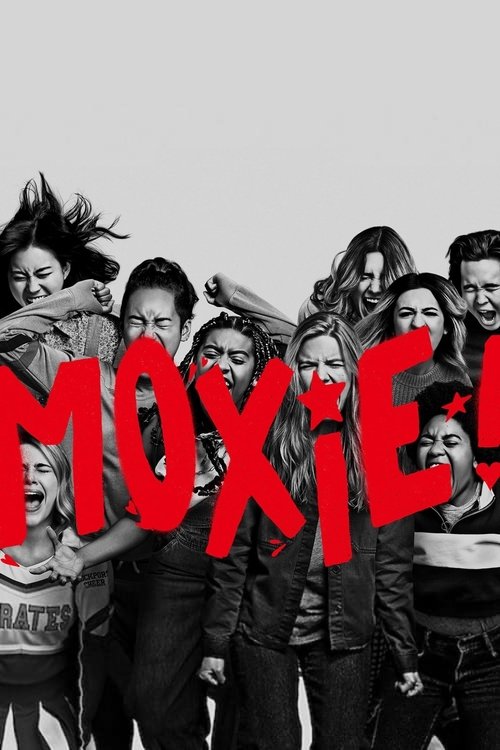
Moxie serves as a sharp critique of institutional social structures, particularly focusing on gendered power dynamics in a school setting. By centering a grassroots movement, the film empowers its female characters to dismantle toxic social hierarchies. The film excels in its multi-layered approach, ensuring that the push for change involves various ethnic and socioeconomic backgrounds. This prevents the narrative from feeling like a singular, homogenized experience. While the film is highly effective in addressing gender and race, it offers less depth regarding disability. The narrative focuses more on social activism than on centering neurodivergent or physical disability experiences.
Category Breakdown
The film includes LGBTQ identities within the high school social scene. These perspectives support the idea of bodily autonomy and social recognition for diverse sexual orientations and gender identities.
The narrative challenges traditional gender roles by showing the 'boys' club' as a systemic structure. Female characters take on significant roles, transitioning from passive observers to leaders of change.
Casting and character development show awareness of multiple aspects of identity. The film features a diverse group where race, ethnicity, and gender intersect to avoid a uniform student body.
The story questions traditional Western social institutions and school administrations. It highlights grassroots activism and the disruption of established hierarchies through the use of an anonymous zine.
Subtle portrayals of neurodivergent social navigation occur within the high school setting. However, disability is not a primary driver of the plot and remains a secondary element.
Present on Screen
Limited or Absent
Official Synopsis
Inspired by her mom's rebellious past and a confident new friend, a shy 16-year-old publishes an anonymous zine calling out sexism at her school.
2018

2018

2017
2018
2017

2013
2018
2020
No reviews yet. Be the first to share your thoughts on this movie!
Use the rating form above to leave a star rating and optional review.