
Hide and Seek
2013
No user ratings available yet
Representation score: 2.8 out of 10

Representation Score
Limited
2025
Director
Kang Dong-in
Runtime
105 minutes
Average Rating
No ratings yetNew Showbiz Analysis
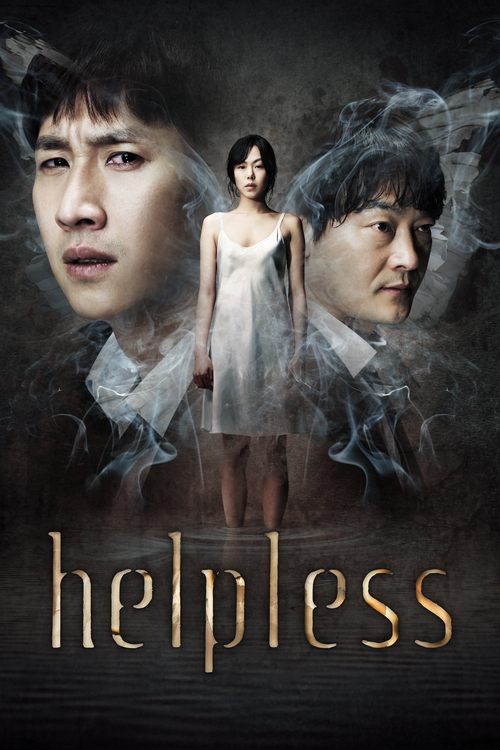
The film opens in the sterile white of a hospital, where a dying father’s lungs are harvested to save his son, a transaction that immediately frames the body as a site of moral debt. Lee Soo-hyuk’s character, Tae-hwa, is a decorated shooter whose precision is undermined by the uneven rhythm of his borrowed breath, a physical metaphor for his fractured conscience. The sold meaning is one of institutional failure: the police close the case because the perpetrator is dead, and the medical system treats the organ as a commodity rather than a clue. The camera lingers on Tae-hwa’s guilt, positioning his male atonement as the primary vehicle for justice, while Mi-ji’s pursuit of her missing mother remains a secondary, emotional thread. The ending likely settles on a personal reconciliation rather than systemic change, leaving the victim’s family to absorb the trauma while the state remains intact. It is a competent thriller that uses the organ transplant as a literal and figurative burden, but it ultimately reinforces the idea that individual guilt is the only available remedy for institutional neglect.
Category Breakdown
No queer characters or relationships appear. The narrative focuses exclusively on heterosexual family dynamics and the father-son bond.
Mi-ji drives the plot by demanding justice, yet she remains defined by her victim status. Tae-hwa’s arc centers on male guilt, positioning him as the moral agent while women serve as emotional anchors.
The cast is entirely Korean, reflecting the film’s specific national context without broader ethnic diversity. The conflict is strictly class-based and institutional within a homogeneous society.
The film critiques institutional failure, showing the police closing the case due to the suspect’s death. The medical system prioritizes organ utility over justice, highlighting systemic neglect of individual grief.
Tae-hwa’s lung fibrosis is a central plot device, depicted with medical realism. The organ transplant serves as a literal and metaphorical burden, linking physical survival to the moral weight of his father’s crime.
Present on Screen
Limited or Absent
Official Synopsis
Tae-hwa receives a lung transplant from his father, who had committed a hit-and-run the night before the surgery. Riddled with guilt, Tae-hwa sets out to find the victim’s daughter Mi-ji. When he finally meets her, he offers her money to make amends for his father's crime. But Mi-ji demands something else instead: That he would help find her missing mother.
2013

2017
2025

2011
2022
2012

2016

2020
No reviews yet. Be the first to share your thoughts on this movie!
Use the rating form above to leave a star rating and optional review.