whisper & SHOUT
1988
No user ratings available yet
Representation score: 6.0 out of 10
Representation Score
Fair
2010
Director
Wojciech Słota, Leszek Gnoiński
Runtime
73 minutes
Average Rating
No ratings yetNew Showbiz Analysis
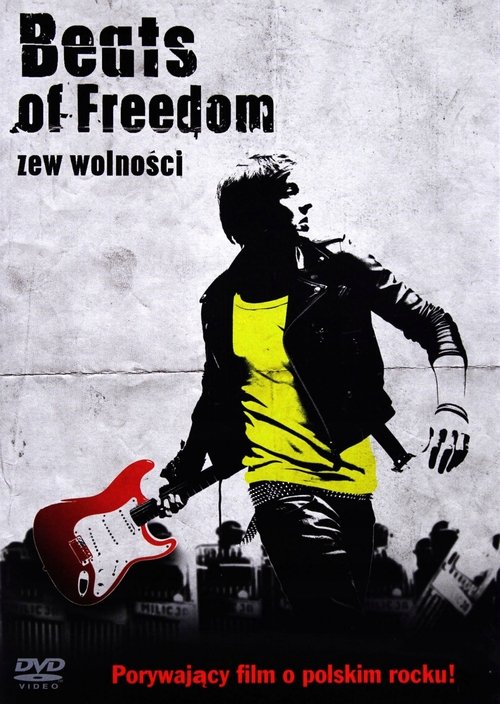
Beats of Freedom is a focused historical documentary that emphasizes cultural and political movements over issues of identity. It captures the spirit of Polish resistance through rock music, showing how art challenges state control. However, its geographic and ethnic focus limits its scope. By concentrating on the specific context of Poland's fight for autonomy, it naturally lacks racial and ethnic diversity. The narrative structure also favors male-centric social movements of the 1980s. Ultimately, the film provides valuable insights into cultural autonomy but remains limited in its representation of underrepresented groups.
Category Breakdown
The film looks at rock subcultures that have traditionally provided safe spaces for non-traditional identities. However, it doesn't show clear character development or same-sex relationships.
The movie centers on male-dominated labor movements and the Solidarity trade union. Although rock performers challenge some hierarchies, female characters are not central.
This documentary focuses on Polish national identity, featuring mostly homogeneous subjects during political struggles.
The film highlights cultural rebellion against state-controlled institutions. It shows how individuals and groups act against strict, centralized political power.
There is no documented evidence regarding the portrayal of physical or neurodivergent disabilities within this historical musical study.
Present on Screen
Limited or Absent
Official Synopsis
A journey through three decades of Polish rock music. It begins with the famous Rolling Stones concert in Warsaw in 1967 and then goes on to show music’s significance during the wave of strikes in June 1980, which led to the birth of the Solidarity trade union.
1988

2018

2020
2012

2006
2019
1960

1978
No reviews yet. Be the first to share your thoughts on this movie!
Use the rating form above to leave a star rating and optional review.