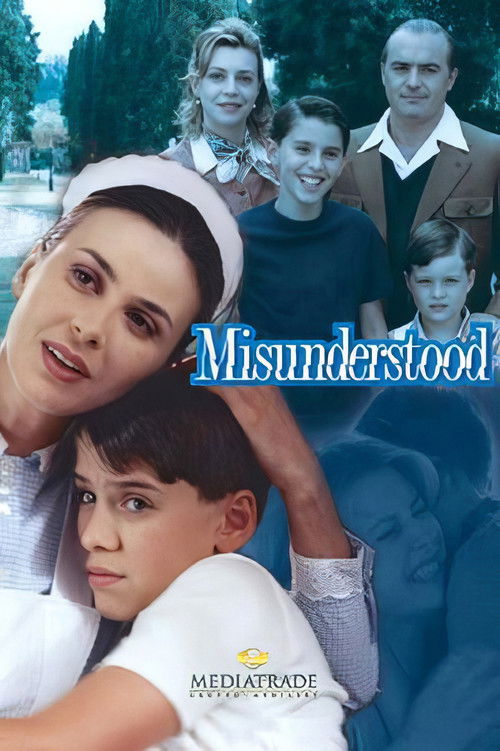
Incompreso
1998
No user ratings available yet
Representation score: 5.0 out of 10

Representation Score
Fair
2003
Director
Franco Battiato
Runtime
115 minutes
Average Rating
No ratings yetNew Showbiz Analysis
Lost Love primarily serves as a metaphysical character study. It successfully challenges traditional gender hierarchies by placing the male protagonist in a social sphere dominated by women, thus moving away from conventional patriarchal structures. However, the film lacks broad demographic variety. The setting and historical context result in a narrative that is demographically homogeneous, offering limited representation of racial or ethnic diversity beyond the Mediterranean context. Ultimately, the film's strength lies in its exploration of secularism and subjective morality. It prioritizes a deep, individualistic examination of social change over broad social inclusivity.
Category Breakdown
The film touches on themes of desire and emotional complexity but does not include any explicit representation of LGBTQ+ identities or queer narratives.
The narrative challenges traditional gender roles by placing the male protagonist in a social sphere dominated by women, giving them significant influence and control.
Set in 1950s Sicily and Milan, the film reflects the demographic homogeneity of that time period. There is no evidence of significant racial or ethnic diversity in the casting.
The story examines the tension between traditional Sicilian customs and the modern, secular social movements of Milan. It emphasizes individual experiences over strict adherence to religious doctrine.
There is no discernible evidence of the portrayal of physical or neurodivergent disabilities in this work.
Present on Screen
Limited or Absent
Official Synopsis
Ettore, a young boy in Sicily in the 50's, is surrounded by women and is always surprised by what is happening around him. In Milan a few years later Ettore is once again the center of attention and the hip crowd.
1998

1995

2000

1957

1992
1994

2003

1974
No reviews yet. Be the first to share your thoughts on this movie!
Use the rating form above to leave a star rating and optional review.