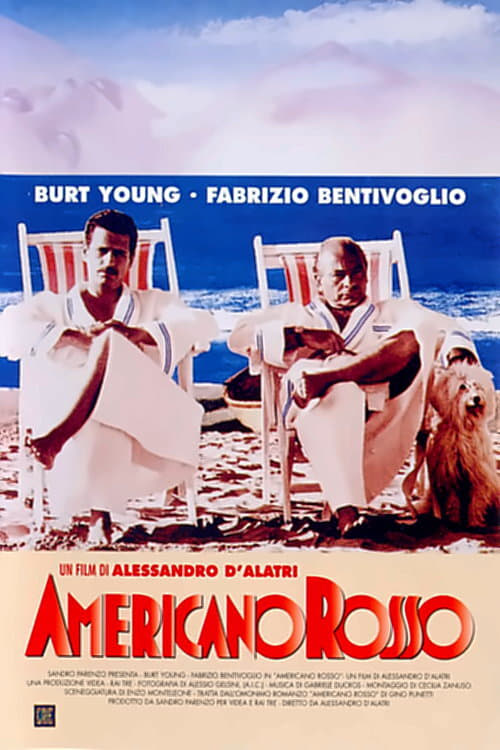
Americano rosso
1991
No user ratings available yet
Representation score: 3.8 out of 10

Representation Score
Limited
1991
Director
Felice Farina
Average Rating
No ratings yetNew Showbiz Analysis
Condominio is a localized Italian comedy-drama that adheres to traditional European genre conventions. It reflects the specific time and place of its creation rather than aiming to challenge broader social norms. The narrative focuses on community and conventional social structures within an apartment complex. This focus results in a lack of representation for LGBTQ+ identities or diverse racial backgrounds. Overall, the film aligns with the cultural demographics of 1991 Italy. It does not have the intention to challenge established expectations regarding identity, gender, or institutional power.
Category Breakdown
The film does not show any explicit representations of LGBTQ+ identities or same-sex relationships. It follows the traditional social structures common in Italian comedies from the early 1990s.
The film features strong performances by female actors like Ottavia Piccolo. However, the characters seem to fit into traditional gender roles within a domestic setting. There is no indication of challenging these roles.
The film focuses on an Italian domestic setting and features a predominantly Italian cast. It reflects the cultural demographics of its time and place.
The story is set in an apartment complex and revolves around interactions between neighbors. It does not critically examine Western or capitalist institutions.
The film does not specifically address the portrayal of visible or invisible disabilities. There is no mention of characters with disabilities taking active roles in the story.
Present on Screen
Limited or Absent
1991

1980

1983
1983

1988

2001
1981

1981
No reviews yet. Be the first to share your thoughts on this movie!
Use the rating form above to leave a star rating and optional review.