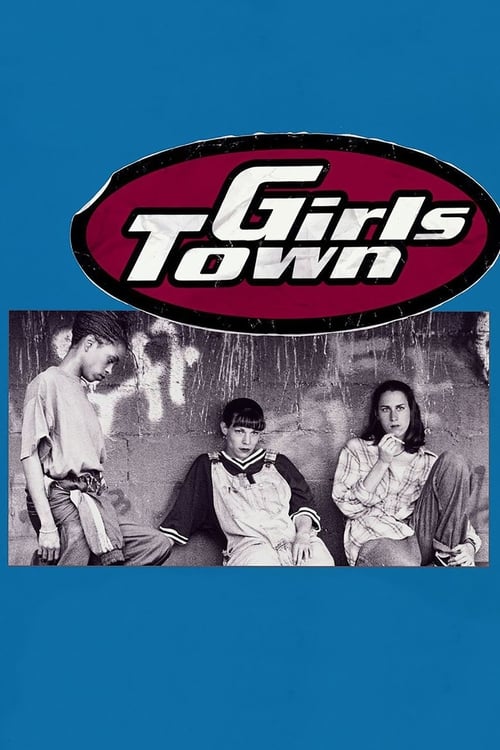
Girls Town
1996
No user ratings available yet
Diversity score: 7.1 out of 10
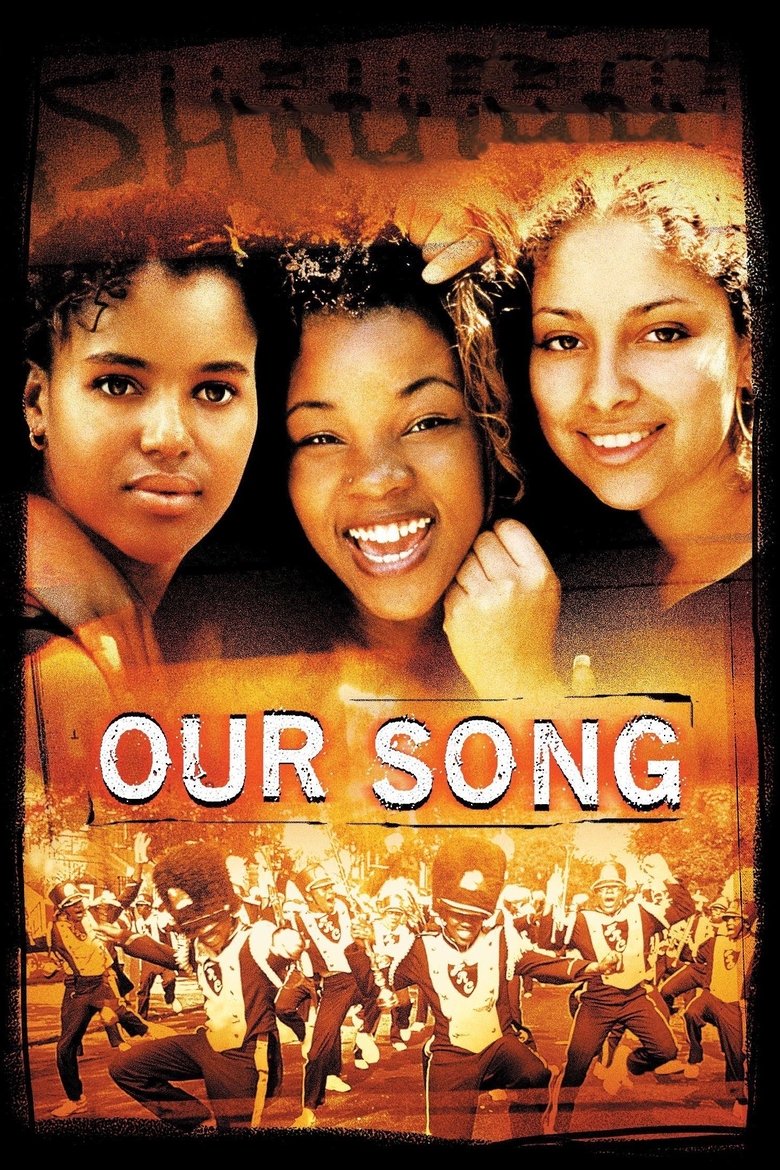
2000
Director
Jim McKay
Runtime
95 minutes
Average Rating
No ratings yetSynopsis
Focusing on the bonding between three female (an African American female, a half African American half Latino American female, and a Latino American female) high school members of Brooklyn's "Jackie Robinson Steppers Marching Band" and the choices the girls face once their school closes down because of the need for asbestos removal. This film is about a host of topics, not least of which is the hard-work involved in maintaining
Overall Score
Good
Category Breakdown
LGBTQ+ Representation
The film focuses on immediate social and familial pressures. There is no explicit evidence of queer identities or non-cisnormative subtext within the narrative.
Gender Representation
The story centers the agency of three young women who drive the plot through their personal aspirations. It emphasizes female solidarity and artistic pursuit over male-dominated hierarchies.
Racial & Ethnic Diversity
The film excels by centering the Black experience in Brooklyn. It avoids common tropes by portraying characters with high agency navigating complex socioeconomic realities.
Religious & Cultural Diversity
The narrative presents characters' moral codes as shaped by their specific urban environments. It avoids traditionalist critiques, focusing instead on the systemic pressures of their daily lives.
Disability Representation
There is no discernible evidence regarding the portrayal of physical or neurodivergent disabilities in the film.
Strengths
Areas for Improvement
AI Analysis
Our Song offers a grounded, documentary-style portrait of Black female protagonists navigating life in Crown Heights. By centering the emotional and social agency of these young women, the film subverts typical coming-of-age tropes that often relegate female characters to the periphery. The film succeeds in its authentic depiction of community and socioeconomic reality. It uses the setting of a housing project and a local marching band to create a nuanced, non-idealized view of youth. While the film lacks explicit LGBTQ+ representation, its strength lies in its commitment to intersectional storytelling and the avoidance of superficial stereotypes.
1996
2021
2017
2020
2020
2000
2002
2007
2001
2003
2012
2016
No reviews yet. Be the first to share your thoughts on this movie!
Use the rating form above to leave a star rating and optional review.