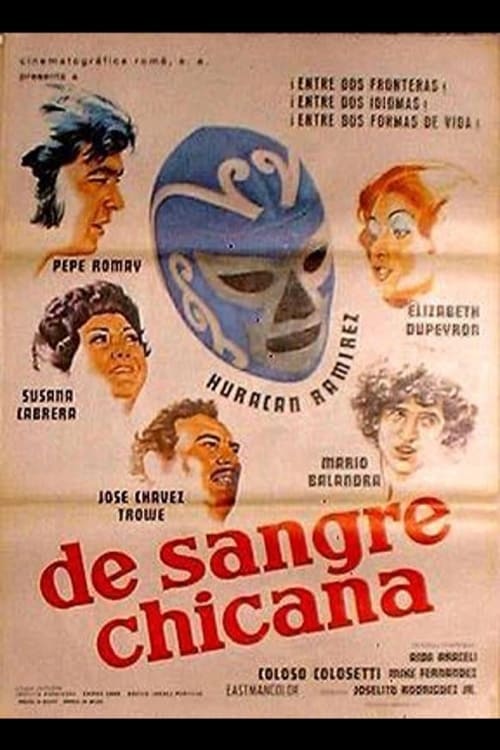
De sangre chicana
1974
No user ratings available yet
Diversity score: 5.4 out of 10

2017
PG-13Director
Ricardo de Montreuil
Runtime
99 minutes
Average Rating
No ratings yetSynopsis
A young street artist in East Los Angeles is caught between his father's obsession with lowrider car culture, his ex-felon brother and his need for self-expression.
Overall Score
Fair
Category Breakdown
LGBTQ+ Representation
The film focuses on masculine-coded environments and fraternal bonds within the East Los Angeles car scene. There is a lack of visible non-cisnormative identities or same-sex intimacy, maintaining a traditional heteronormative structure.
Gender Representation
The social ecosystem is predominantly male-centric, revolving around car clubs and male familial dynamics. The narrative reinforces traditional masculine hierarchies without female characters driving the plot or subverting gendered expectations.
Racial & Ethnic Diversity
The film excels by providing high-agency representation for the Chicano/Latino community. By centering the story on East Los Angeles and lowrider culture, it avoids tokenism and challenges the white-as-default standard of mainstream cinema.
Religious & Cultural Diversity
The narrative prioritizes subcultural authenticity and individual self-expression through street art. It explores community identity through the lens of street life and familial obsession rather than idealized institutional structures.
Disability Representation
There is no significant evidence regarding the portrayal of visible or invisible disabilities within the film's context.
Strengths
Areas for Improvement
AI Analysis
Lowriders succeeds as a culturally specific drama that centers Chicano identity and subcultural authenticity. By rooting the story in the nuances of East Los Angeles car culture, the film provides high-agency representation that avoids mainstream Hollywood tropes. However, the film operates within very narrow social frameworks. The narrative is heavily male-centric, focusing on brotherhood and masculine hierarchies, which limits the presence of diverse gender perspectives and LGBTQ+ identities. Ultimately, the film is a study of localized ethnic identity. While it lacks breadth in gender and sexual diversity, its commitment to a non-Anglo-centric perspective provides a meaningful departure from homogenized storytelling.
1974

2008

1978

2014

2017
2017

2015
No reviews yet. Be the first to share your thoughts on this movie!
Use the rating form above to leave a star rating and optional review.