The Shark Hunter
1979
No user ratings available yet
Diversity score: 1.7 out of 10
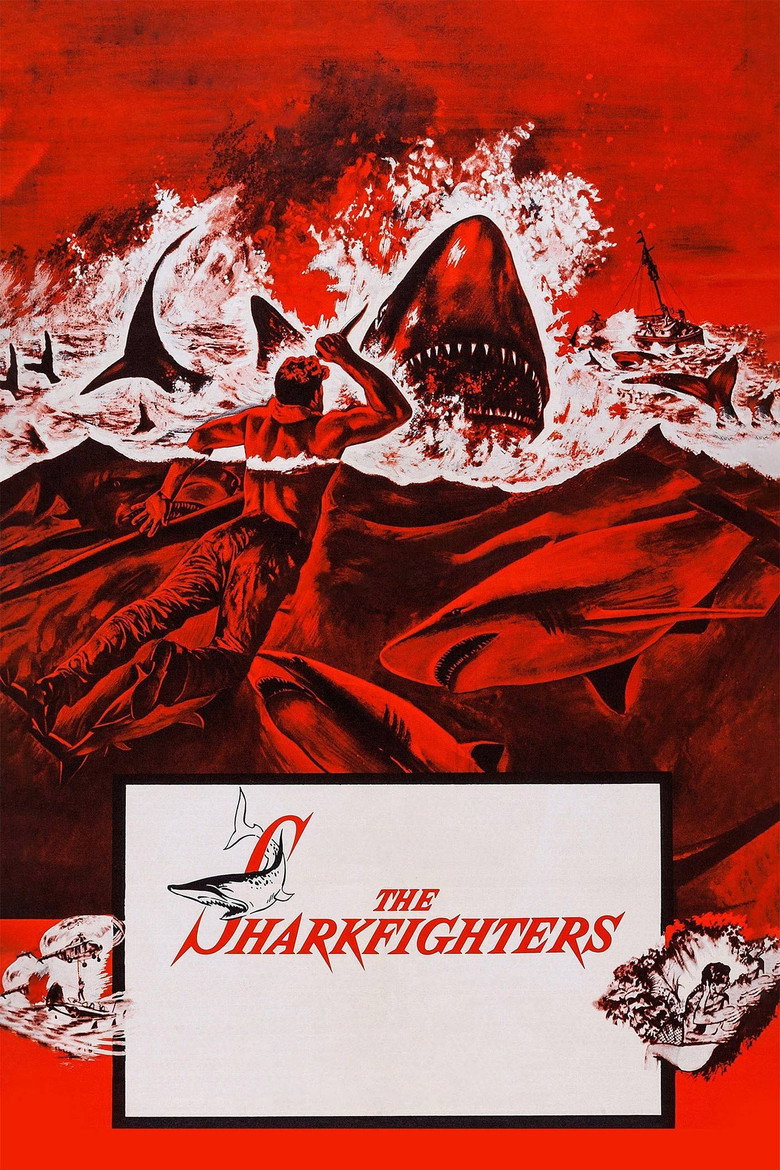
1956
Director
Jerry Hopper
Runtime
73 minutes
Average Rating
No ratings yetSynopsis
Landing on a small island not far from Havana, Cuba, Lt. Cmdr. Ben Staves joins a Navy scientific project engaged in finding an effective shark repellent to help save the lives of WWII military personnel stranded in shark-infested waters. His zeal for completing the project as fast as possible is explained by his having lost a large percentage of his crew to sharks when his ship was sunk by the Japanese. Against the advice of the others on the project, Staves demands that the new repellent be tested on a live subject surrounded by hungry sharks and will allow no one but himself to be the test subject!
Overall Score
Minimal
Category Breakdown
LGBTQ+ Representation
The film lacks any depiction of non-heteronormative identities or queer subtext. The narrative focuses strictly on male camaraderie within a traditional heteronormative framework.
Gender Representation
The story adheres to a rigid gender hierarchy, focusing almost exclusively on the professional duties of Navy personnel. Women are largely absent, and the film reinforces traditional masculine archetypes of leadership and stoicism.
Racial & Ethnic Diversity
The cast is predominantly white, reflecting the demographic norms of 1950s Hollywood. While set near Cuba, the narrative does not utilize a diverse cast or provide characters of color with high agency.
Religious & Cultural Diversity
The film promotes Western wartime values and military patriotism. It depicts institutional authority as a stabilizing force, emphasizing the importance of following orders and maintaining cohesion.
Disability Representation
There are no notable depictions of physical or neurodivergent disabilities. Characters are presented as able-bodied agents of the military without any characters with disabilities serving as central figures.
Strengths
Areas for Improvement
AI Analysis
The Sharkfighters is a mid-century adventure film that functions as a traditionalist narrative centered on wartime heroism and military cohesion. It relies heavily on 1950s cinematic tropes, emphasizing masculine leadership and institutional discipline over social complexity. The film reinforces the era's prevailing social norms rather than disrupting them. It presents a clear-cut distinction between the military protector and the natural threat, operating within a framework of singular, traditional morality. Because the work lacks intersectional complexity and diverse casting, it serves as a benchmark for the conservative, traditionalist cinematic paradigms of its time.
1979

1975
1957
1973
1956

1963
1951

1943

2012

2015
1942
1943
No reviews yet. Be the first to share your thoughts on this movie!
Use the rating form above to leave a star rating and optional review.