Patiala House
2011
No user ratings available yet
Representation score: 2.3 out of 10
Representation Score
Fair
2010
RDirector
Vikramaditya Motwane
Runtime
138 minutes
Average Rating
No ratings yetNew Showbiz Analysis
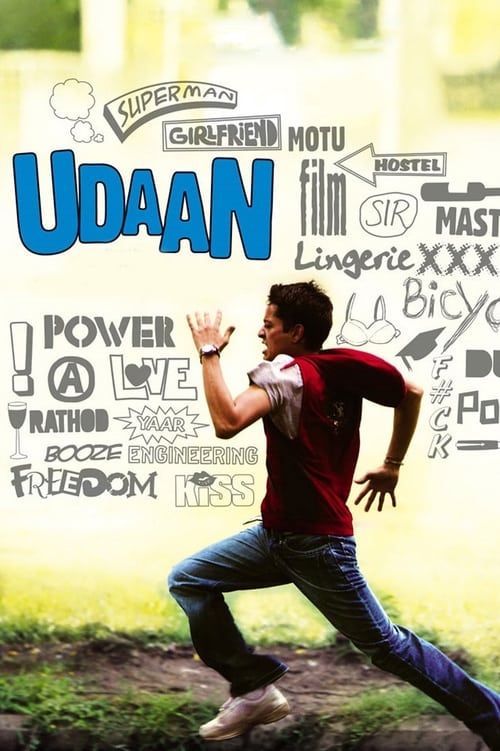
Udaan is a grounded drama that excels in social realism rather than explicit identity politics. It effectively deconstructs the myth of a stable patriarch, presenting traditional masculine authority as harmful and destabilizing. The film offers a nuanced look at the tension between personal autonomy and the weight of traditional family structures. By focusing on a lower-middle-class Indian family, it provides a specific regional and socioeconomic perspective, avoiding the homogenization common in mainstream cinema. However, the narrative is limited by its narrow focus on traditional family structures and the absence of LGBTQ+ representation or characters with disabilities.
Category Breakdown
The film focuses on a traditional heterosexual family structure. There are no queer subtexts or non-cisgender identities in the main character arcs.
The movie deconstructs toxic masculinity by showing the father as a volatile and destructive figure. Despite the mother’s submissive role, she provides crucial insight into household trauma.
Set in Jamshedpur, the film authentically portrays the lives of Indian working-class families. It successfully captures the unique socioeconomic identity of this community.
The story criticizes strict familial expectations and traditional social structures. It highlights the protagonist's struggle for artistic freedom against oppressive institutions.
The film does not include characters with visible or invisible disabilities as central to the plot.
Present on Screen
Limited or Absent
Official Synopsis
Upon returning to his industrial hometown, a young man must decide whether to follow his own dreams or acquiesce to his father's plans for his future.
2011
2012
2012

2008

2016
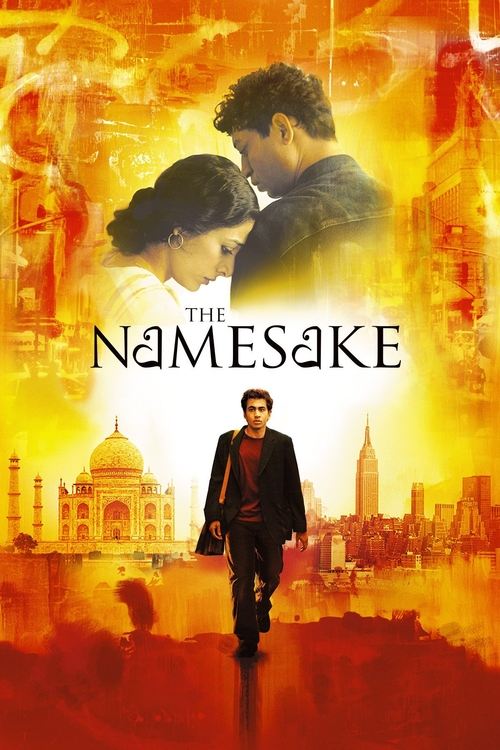
2006
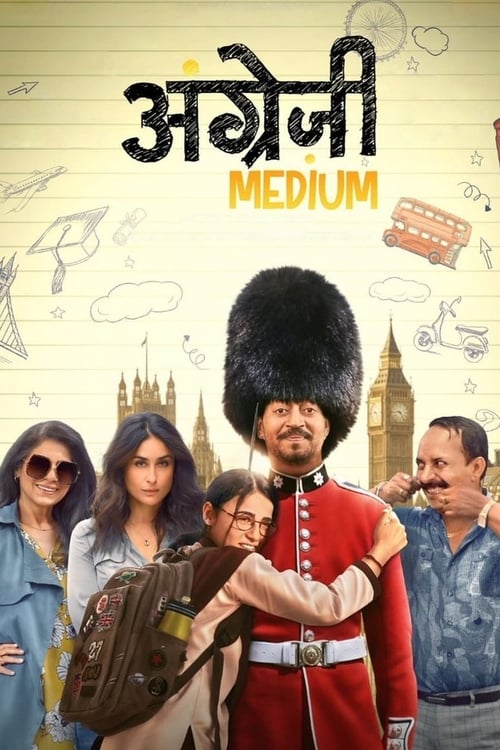
2020
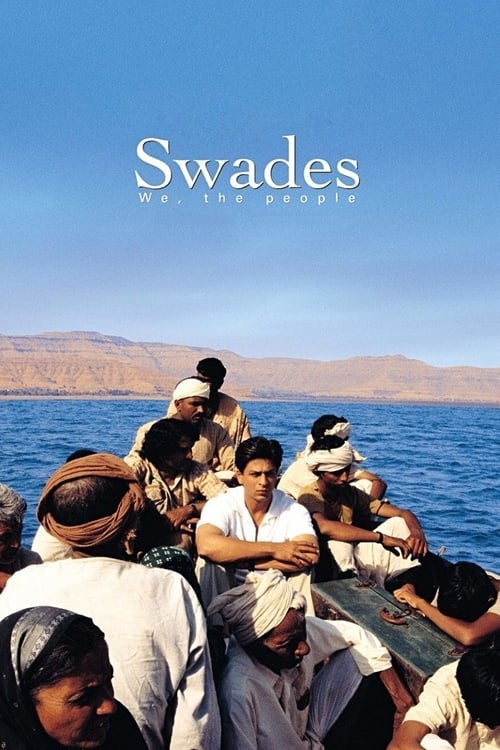
2004
No reviews yet. Be the first to share your thoughts on this movie!
Use the rating form above to leave a star rating and optional review.