
Stander
2003
No user ratings available yet
Representation score: 4.9 out of 10
Representation Score
Limited
2003
Director
Tony Tilse
Runtime
106 minutes
Average Rating
No ratings yetNew Showbiz Analysis
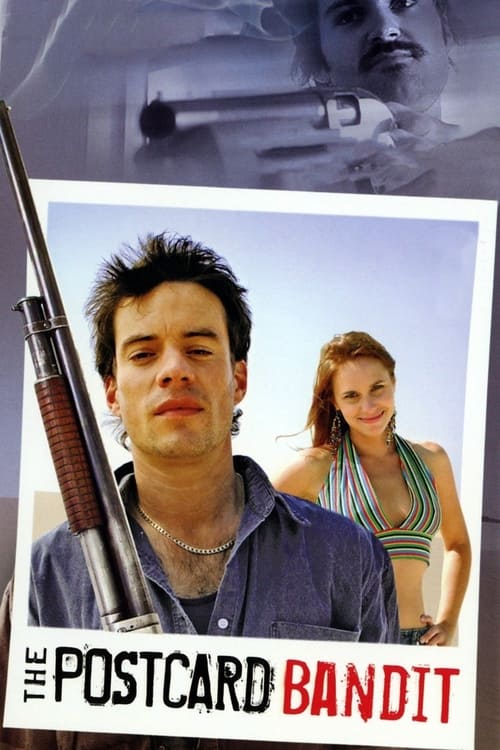
The Postcard Bandit is a conventional biographical crime drama focusing on the historical mythos of Brendan Abbott. The narrative structure emphasizes the psychological cat-and-mouse game between a criminal and the state, adhering to traditional genre conventions. Given its period-adjacent nature, the film leans into historical realism rather than progressive narrative innovation. The storytelling follows a singular, masculine-centric trajectory that lacks intentional multi-layered frameworks or the subversion of social hierarchies. Ultimately, the film serves as a character study of an individualistic rebel, exploring themes of authority and evasion without delving into broader systemic or cultural critiques.
Category Breakdown
The film does not include any LGBTQ+ characters or narratives. The storyline focuses solely on the conflict between the outlaw and the authorities.
The story centers around a male-driven outlaw archetype. There is no indication of challenging traditional gender roles or portraying masculinity in unconventional ways.
The film likely reflects the demographic reality of Australia during the time period covered. It lacks significant racial diversity or multi-ethnic ensembles.
The narrative prioritizes the myth of the outlaw and individualistic rebellion. It frames defiance of authority through crime biography rather than a broader social critique.
There is no evidence that disability, neurodivergence, or chronic illness play a role in the character development or the narrative arc.
Present on Screen
Limited or Absent
Official Synopsis
The story of notorious Australian bank robber Brendan Abbott, who according to the myth, sent postcards to authorities hot on his trail while on the run across the country.
2003

2017

2022
1998

1997
2010

2008
1973
No reviews yet. Be the first to share your thoughts on this movie!
Use the rating form above to leave a star rating and optional review.