
Micky Flanagan: Peeping Behind the Curtain
2020
No user ratings available yet
Representation score: 1.8 out of 10
Representation Score
Good
2008
TV-PGDirector
Dave Lambert
Runtime
57 minutes
Average Rating
No ratings yetNew Showbiz Analysis
The documentary serves as a retrospective of a creative movement that challenges traditional social and comedic hierarchies. It documents a subculture that values eccentricity and non-conformity over mainstream norms. While the film includes a diverse array of comedic guests and musical acts, its primary focus remains on the specific creative duo. This narrows the demographic scope despite the varied talent present. Ultimately, the work excels in cultural subversion, using the creators' history of surrealism to challenge institutionalized traditions and rigid societal norms.
Category Breakdown
The documentary highlights Fielding's androgynous appearance and gender-fluid costumes. It showcases a visual style that challenges assumptions about gender.
The film explores a mythos that breaks down traditional masculinity through humor and openness. It focuses on the absurd rather than conventional masculine traits.
The inclusion of talent like Lenny Henry provides a varied demographic profile. Interviewees represent a broad cross-section of the UK's creative industry.
The film celebrates counter-cultural movements and surreal truths. It subtly critiques consumer capitalism by showing how creative spaces turn into supermarkets.
There is no information available regarding the depiction of visible or invisible disabilities.
Present on Screen
Limited or Absent
Official Synopsis
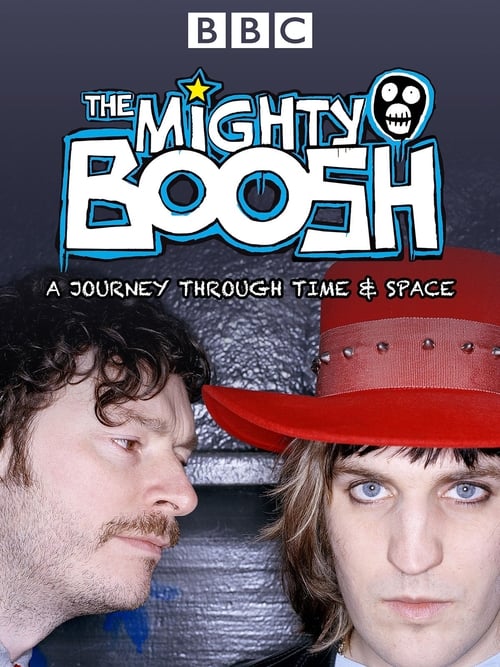
Noel Fielding and Julian Barratt tell the story behind The Mighty Boosh in their own words. They visit locations key to their past, including the comedy club where they first performed and the studio where the radio show was recorded, which is now an organic supermarket. Featuring interviews with Stewart Lee, Danny Wallace, Lee Mack, Steve Coogan, Russell Brand, Vic Reeves, Bob Mortimer, Jo Whiley, Lenny Henry, Kasabian and The Horrors as well as never before seen photos and home movies from the boys themselves.
2020
2011
2014
2014
2012
2024
1999
1997
No reviews yet. Be the first to share your thoughts on this movie!
Use the rating form above to leave a star rating and optional review.