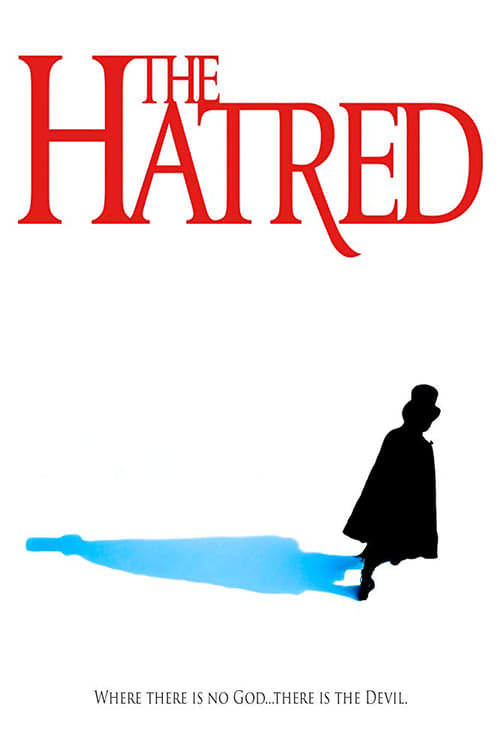
The Hatred
2018
No user ratings available yet
Representation score: 5.9 out of 10

Representation Score
Fair
2023
Director
Loïc Tanson
Runtime
125 minutes
Average Rating
No ratings yetNew Showbiz Analysis
The Last Ashes stands out as a subversion of the Western genre, shifting focus from frontier expansion to a critique of systemic oppression. Its key strength lies in the elevation of women's ability to drive the story through Hélène, who transitions from a victim of patriarchy to an active agent of revenge. However, the film's scope is narrow, focusing on a localized, mid-19th century Luxembourgish community. This limits racial and ethnic diversity. Additionally, the narrative lacks representation of LGBTQ+ identities or characters with disabilities. Overall, the film offers a specialized character study, trading broad demographic diversity for a deep exploration of how restrictive social structures impact individual autonomy.
Category Breakdown
The film does not explicitly depict LGBTQ+ identities, focusing instead on a journey of vengeance. It avoids derogatory stereotypes and remains neutral on LGBTQ+ issues.
Hélène is a strong female protagonist who challenges traditional male-dominated justice narratives. Her escape from a patriarchal community highlights her independence and control over her fate.
Set in mid-19th century Luxembourg, the film focuses on a localized, homogeneous community. It adheres to a traditional approach to ethnic representation consistent with its historical context.
The film critiques traditional institutions by depicting an isolated community as a site of oppression. It portrays the family unit as a source of trauma, challenging communal authority.
No visible or invisible disabilities are portrayed within the character arcs. There is no mention of neurodivergence or physical disability in the story.
Present on Screen
Limited or Absent
Official Synopsis
In the mid-1800s, twelve year old Hélène manages to flee from an isolated patriarchal community in Luxembourg. Years later, she returns in disguise, determined to seek revenge on the family that killed her parents.
2018

2016

2022

2014

2020

2023

2017

2021
No reviews yet. Be the first to share your thoughts on this movie!
Use the rating form above to leave a star rating and optional review.