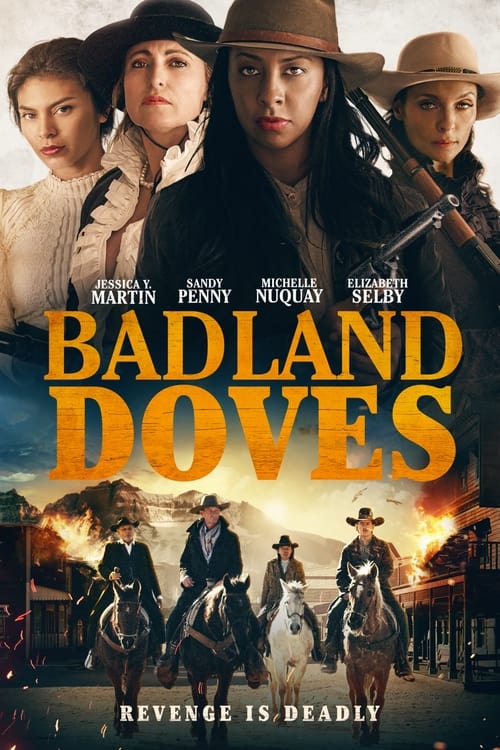
Badland Doves
2021
No user ratings available yet
Representation score: 4.3 out of 10
Representation Score
Good
2017
Not RatedDirector
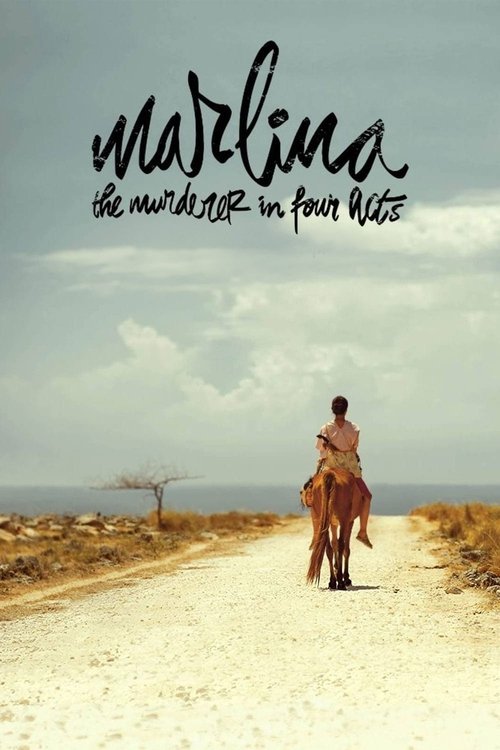
Mouly Surya
Runtime
93 minutes
Average Rating
No ratings yetNew Showbiz Analysis
Marlina the Murderer in Four Acts is a masterful deconstruction of the Western genre. By placing an indigenous woman at the center of a survivalist narrative, the film successfully disrupts traditional masculine power hierarchies and colonial cinematic clichés. The film excels in its authentic localization, using an all-indigenous cast to reclaim a genre often dominated by Anglo-Saxon norms. This creates a powerful intersection of gendered ability to act and post-colonial identity. While the film lacks explicit LGBTQ+ representation, its deep critique of patriarchal structures provides a significant subtext regarding social power dynamics.
Category Breakdown
The film does not include explicit LGBTQ+ characters or non-cisgender identities, focusing instead on a protagonist fighting for bodily autonomy in a patriarchal society.
The film centers on a woman named Marlina who defies the 'damsel in distress' cliché by taking control of her fate in a traditionally masculine Western genre. She transitions from a victim to a decisive survivor, showcasing strong ability to act.
The film features an all-indigenous Indonesian cast set in the Sumba region, recontextualizing the Western genre through a post-colonial lens that emphasizes indigenous identity.
The narrative critiques the failure of formal legal and state structures in underrepresented territories, prioritizing subjective morality and survival over state-sanctioned ethics.
There are no prominent depictions of physical or neurodivergent disabilities serving as central character arcs.
Present on Screen
Limited or Absent
Official Synopsis
After encountering a group of bandits with plans to rape and steal from her, a young widow ventures into the wilderness in search of justice.
2021
1971
2016
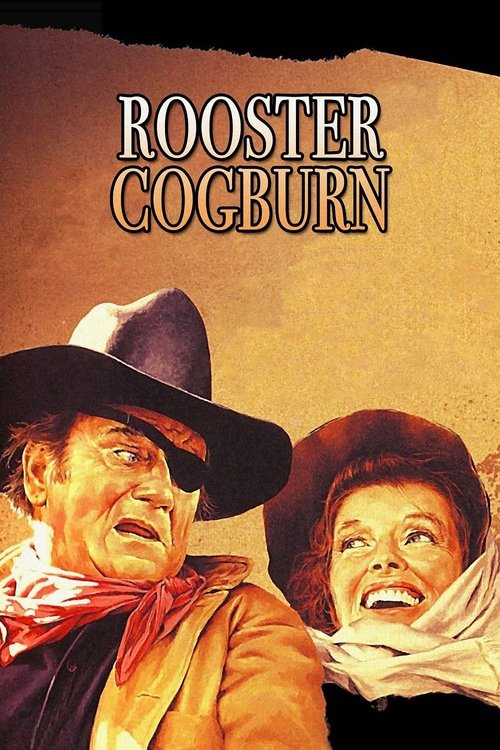
1975
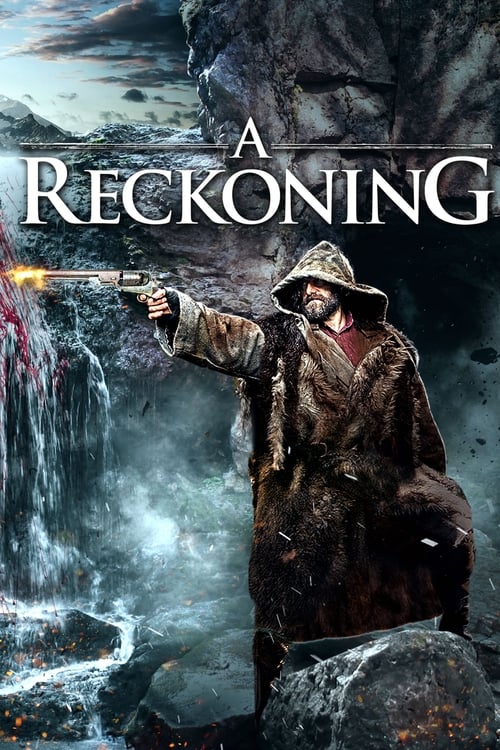
2018
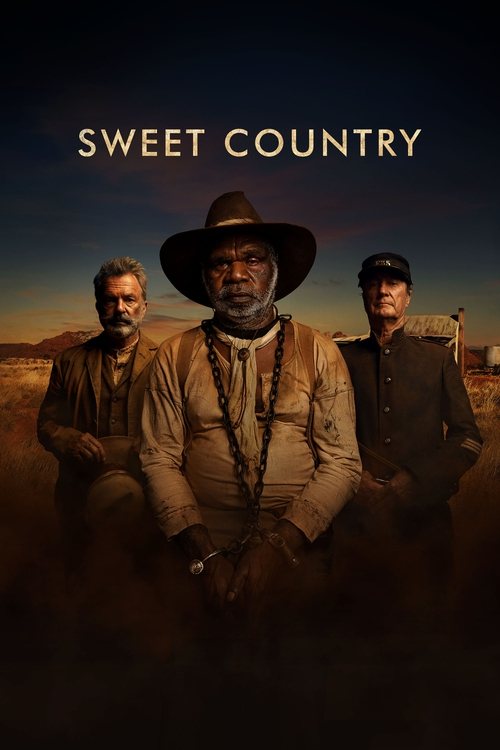
2018
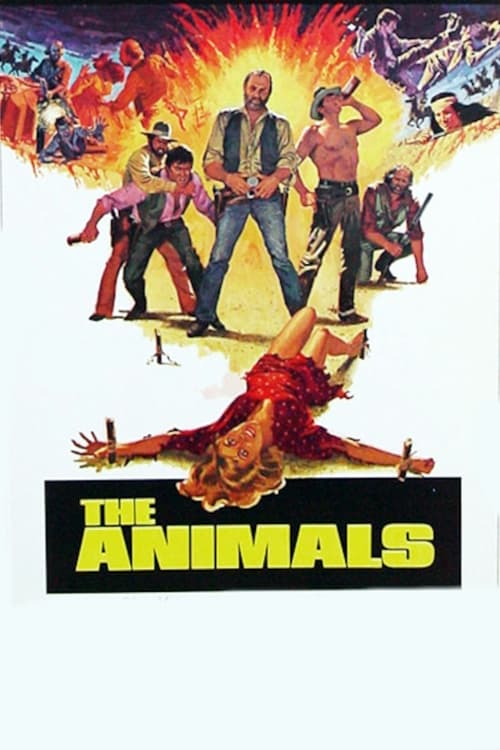
1970
2017
No reviews yet. Be the first to share your thoughts on this movie!
Use the rating form above to leave a star rating and optional review.