Glimpses of Old England
1949
No user ratings available yet
Representation score: 0.3 out of 10
No Poster Available
Representation Score
Minimal
1945
TV-GRuntime
20 minutes
Average Rating
No ratings yetNew Showbiz Analysis
This travelogue serves as a celebratory document of national heritage, focusing on the preservation of British identity. It functions as a traditional mid-century documentary showcasing historical landmarks, political legacies, and local craftsmanship. The film reinforces established social hierarchies and traditional Western institutions rather than exploring perspectives that reflect multiple aspects of identity. Its focus remains on the stability of local industry and the continuity of historical landmarks. Ultimately, the work aligns with the era's production standards, emphasizing a homogeneous social landscape and the preservation of national narratives over the representation of underrepresented groups.
Category Breakdown
The film does not feature any LGBTQ+ characters or stories. It focuses on historical sites and traditional trades, reflecting the social structures of the 1940s.
The film highlights traditional gender roles and labor in the English countryside. Women are present but there is no indication of challenging gender hierarchies.
The tour centers on Anglo-Saxon historical figures and local craftsmanship. There is no evidence of a non-white majority cast or the inclusion of diverse ethnic perspectives.
The narrative emphasizes traditional Western institutions and national heritage. By highlighting landmarks and figures like Milton, the film promotes the continuity of Western cultural traditions and patriotism.
There is no mention of characters or individuals with visible or invisible disabilities within the film.
Present on Screen
Limited or Absent
Official Synopsis
This travelog starts in London, then visits several towns and villages of historical interest. Among the places visited are Aylesbury, where Benjamin Disraeli got his start in politics; Abinger Hammer, site of the Church of St. John the Evangelist; and Chalfont, St. Giles, where the cottage in which poet John Milton finished his epic "Paradise Lost" still stands. The people are also featured, including farmers, town merchants, and furniture makers who still produce items by hand in their outdoor factory. —David Glagovsky
1949
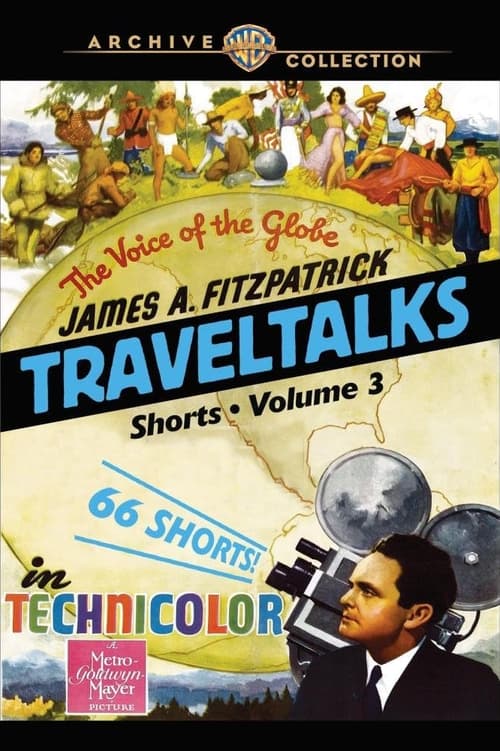
1949
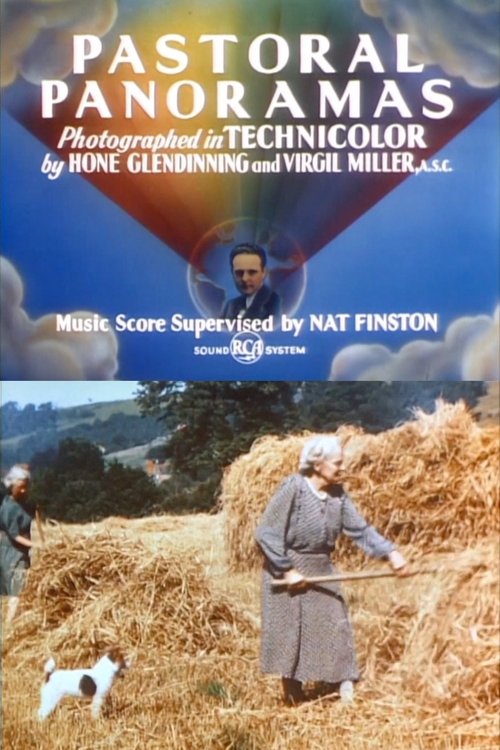
1950
1950
1950
1950
1950
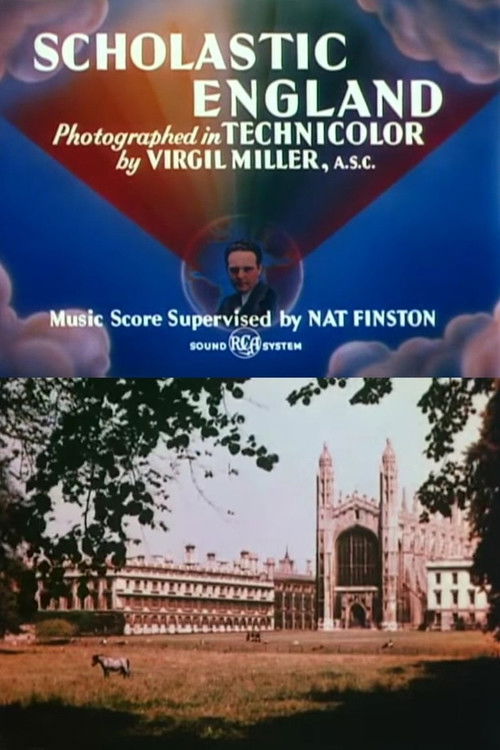
1948
No reviews yet. Be the first to share your thoughts on this movie!
Use the rating form above to leave a star rating and optional review.