Dead Birds
1963
No user ratings available yet
Representation score: 3.6 out of 10
Representation Score
Limited
1975
Director
Timothy Asch, Napoleon Chagnon
Runtime
30 minutes
Average Rating
No ratings yetNew Showbiz Analysis
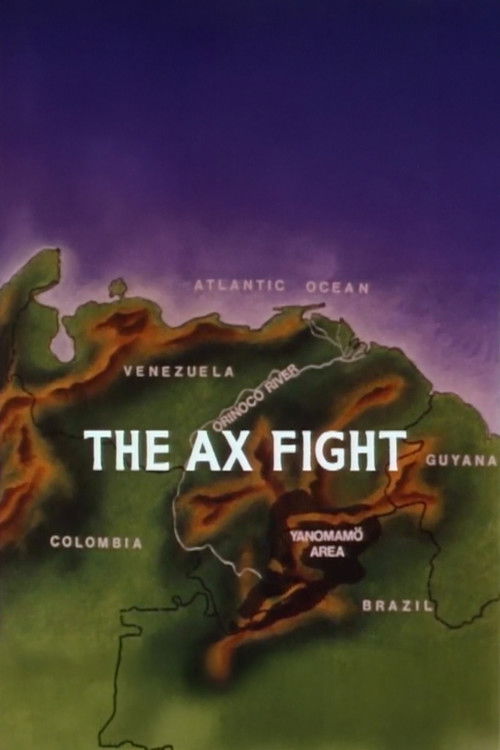
The Ax Fight is a landmark ethnographic documentary that centers an indigenous worldview. By documenting the Yanomami people through a rigorous analytical lens, it resists treating non-Western cultures as monolithic. The film's strength lies in presenting complex social dynamics and kinship structures as valid systems of governance. However, the film's scope is strictly limited to the social realities of the documented event. It does not engage with modern identity politics, such as LGBTQ+ representation or gender subversion. The focus on male-driven physical combat reflects the specific social structure being recorded but offers little visibility for women's ability to drive the story or diverse gender identities.
Category Breakdown
The film focuses on a specific historical event within a Yanomami village and does not depict any LGBTQ+ characters or non-cisgender identities.
The conflict revolves around male-dominated physical combat, which reflects the social hierarchy of the village. However, the film reinforces traditional gender roles through the depiction of violence as a means of social regulation.
The film provides excellent representation by focusing on the Yanomami people, avoiding Western-centric casting and offering an unfiltered look at a non-Anglo-Saxon society and its social complexity.
The film presents Yanomami social structures as independent of Western morality, promoting cultural relativism. It validates the group's internal organizational logic using analytical frameworks.
There are no specific depictions of visible or invisible disabilities used as central themes or plot devices within the ethnographic context.
Present on Screen
Limited or Absent
Official Synopsis
This ethnographic film records a conflict that took place on February 28, 1971, in the Yanomami village of Mishimishimabowei-teri during the fieldwork of Timothy Asch and Napoleon Chagnon. Constructed in four parts, the film first presents the complete unedited footage of the fight as it was witnessed by the filmmakers, followed by slow-motion analysis, kinship diagrams, and a final edited version. Through this structure, the film documents both the social dynamics of the conflict and the process by which ethnographic knowledge is produced from filmed events.
1963
2010
1957
1980

2010
2012
1966
1978
No reviews yet. Be the first to share your thoughts on this movie!
Use the rating form above to leave a star rating and optional review.