Hour of the Gun
1967
No user ratings available yet
Representation score: 0.5 out of 10
Representation Score
Fair
1971
PGDirector
Frank Perry
Runtime
96 minutes
Average Rating
No ratings yetNew Showbiz Analysis
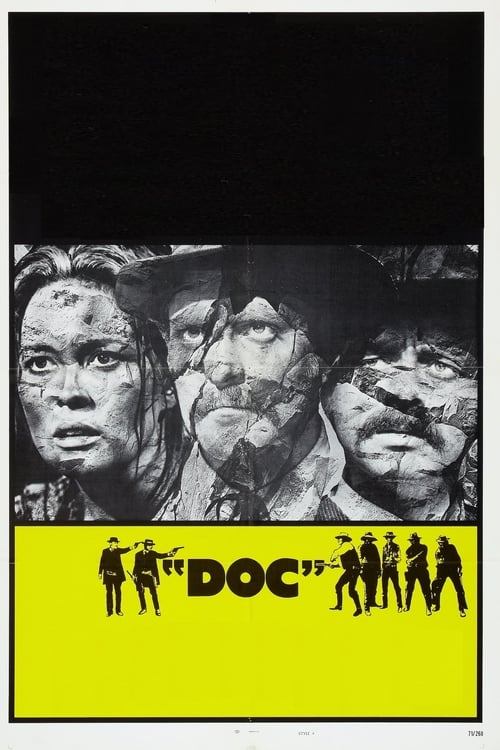
Doc (1971) presents a film filled with contrasts. Despite its limited demographic range in terms of race, gender, and LGBTQ+ representation, it achieves depth through its thematic deconstruction of institutional power and its empathetic approach to mental health. The film excels in its portrayal of neurodivergence and mental health issues with a humanistic touch. It steers clear of common clichés, focusing instead on the ethical tensions within the medical establishment and the struggle for individual autonomy against dehumanizing bureaucracies. However, the social landscape remains narrow. The narrative is dominated by male-centric professional conflicts and a homogeneous cast, offering little space for diverse cultural perspectives.
Category Breakdown
The film does not feature any visible LGBTQ+ characters or narratives centered around non-assuming gender matches what was assigned at birth identities. The social dynamics are based on traditional 1970s frameworks without direct critiques of the assumption that everyone is straight or cisgender.
The story focuses heavily on male professional dynamics and patriarchal institutional structures. Female characters play minor roles within the established social order and do not drive the central conflict.
The cast and setting are predominantly homogeneous, reflecting a single social stratum. The narrative lacks engagement with diverse cultural perspectives and does not explore significant racial or ethnic diversity.
The film effectively criticizes traditional Western institutions. It portrays the medical establishment as an oppressive bureaucracy, emphasizing individual empathy over rigid, systemic rules.
The film offers a nuanced look at mental health and neurodivergence. It centers on the experiences of patients and the ethical implications of their treatment, avoiding mockery of disability.
Present on Screen
Limited or Absent
Official Synopsis
Doc Holliday travels to Tombstone, Ariz., with prostitute Katie Elder. Although the trip is difficult because Doc is ill with tuberculosis, they eventually reach their destination, where Holliday is reunited with his old friend Marshal Wyatt Earp, who has been clashing with the Clanton gang. Tensions between Earp and the Clantons rise until their infamous final showdown brings it to a head.
1967
1958

1986
1967
2017
1957
2014

1980
No reviews yet. Be the first to share your thoughts on this movie!
Use the rating form above to leave a star rating and optional review.