
RETCH
2018
No user ratings available yet
Representation score: 3.4 out of 10
Representation Score
Limited
2004
Not RatedDirector
Brian Paulin
Runtime
98 minutes
Average Rating
No ratings yetNew Showbiz Analysis
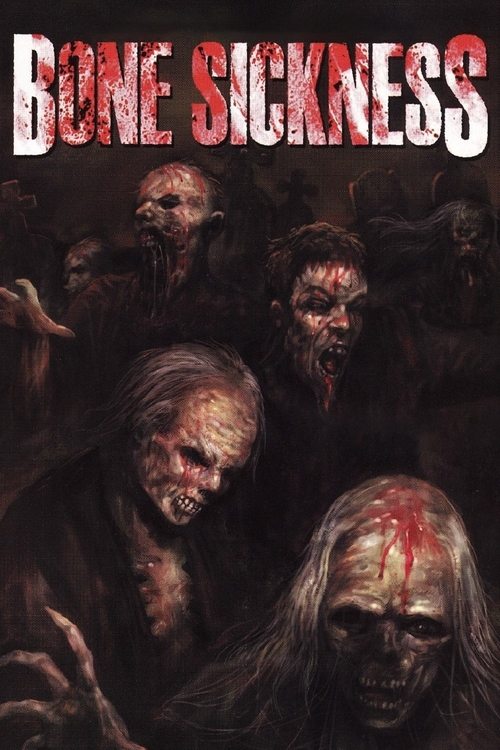
Bone Sickness is a genre-driven horror film that emphasizes domestic tragedy over social complexity. The female lead actively drives the plot, but her motivations are tied to traditional caretaking roles. The film uses disability primarily as a source of tension rather than a nuanced exploration of lived experiences. By focusing on established storytelling conventions, the film stays within conventional boundaries.
Category Breakdown
The film does not include any characters with LGBTQ+ identities or same-sex relationships. The main relationship is presented within a traditional marriage framework.
A female protagonist leads the story, but her actions are largely driven by her husband's condition, suggesting a traditional caretaker role.
No information is available about the racial or ethnic makeup of the cast or setting. Therefore, the film's approach to diversity cannot be evaluated.
The story examines skepticism towards healthcare institutions. However, it presents a conventional cautionary tale about alternative treatments rather than promoting anti-institutionalism.
The storyline revolves around a terminal bone disease. It is unclear whether the illness provides the sufferer with ability to act or simply serves as a plot device.
Present on Screen
Limited or Absent
Official Synopsis
Her husband's health suddenly devastated by a terminal bone disease, a desperate young woman finds her search for alternative treatment leading to unexpectedly grave consequences.
2018

2004

2021
2009

2008

1995
2025

2001
No reviews yet. Be the first to share your thoughts on this movie!
Use the rating form above to leave a star rating and optional review.