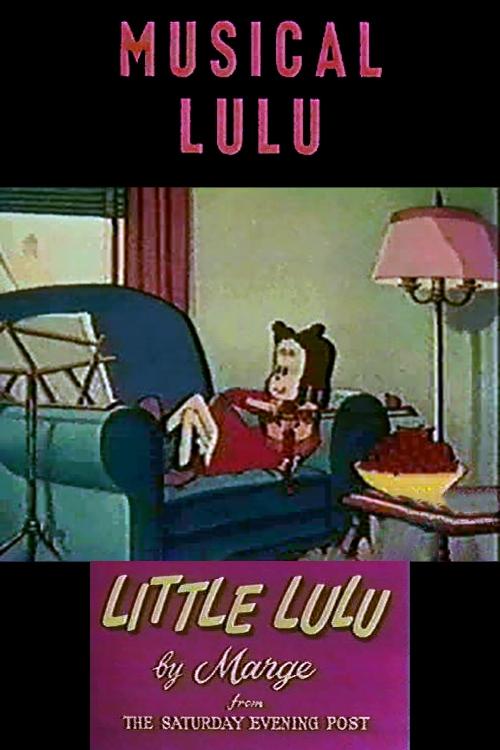
Musica-Lulu
1947
No user ratings available yet
Representation score: 1.6 out of 10
Representation Score
Minimal
1962
ApprovedDirector
Seymour Kneitel
Runtime
6 minutes
Average Rating
No ratings yetNew Showbiz Analysis
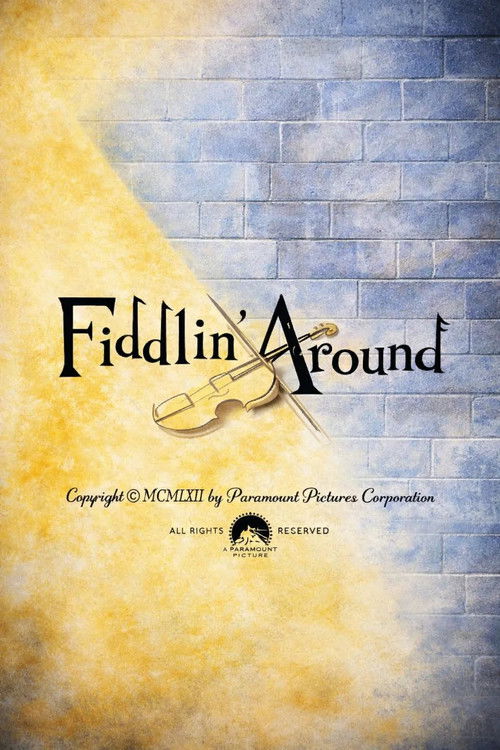
Fiddlin' Around is a product of its time, functioning as a traditional mid-century animated short. The narrative structure prioritizes classical Western themes of professional stewardship and the protection of valuable property. The film lacks multi-layered complexity or systemic critique, relying instead on established character archetypes and social structures prevalent in 1962 animation. Ultimately, the work reflects the standard cultural constraints of the era, focusing on professional achievement within a Western framework rather than social subversion.
Category Breakdown
The film does not include any characters with LGBTQ+ identities or non-cisgender genders. It follows the traditional straight-centered archetypes typical of 1960s animation.
The story centers around a male violinist and a protective guard, reflecting traditional masculine roles of professional skill and physical protection.
Although a world tour is mentioned, there is no indication of a diverse cast. The film seems to adhere to the homogeneous casting standards of its time.
The plot emphasizes Western classical traditions through the focus on a Stradivarius. It reinforces traditional values regarding property and professional stability.
There is no mention of characters with visible or invisible disabilities. No specific instances of disability are present in the narrative.
Present on Screen
Limited or Absent
Official Synopsis
A violinist on a world concert tour gets insurance on a Stradivarius that comes with a guard who makes sure the violin remains safe.
1947
1966

1954
1950
1943
1979
1960
1968
No reviews yet. Be the first to share your thoughts on this movie!
Use the rating form above to leave a star rating and optional review.