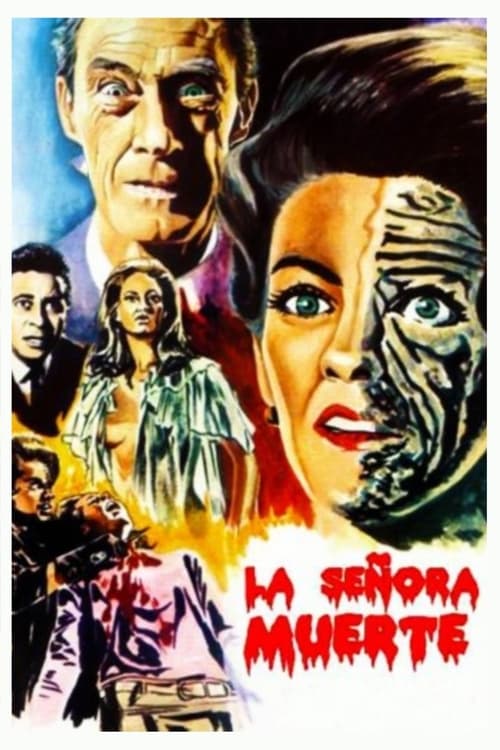
Madame Death
1969
No user ratings available yet
Representation score: 3.0 out of 10
Representation Score
Minimal
1957
Director
Riccardo Freda
Runtime
78 minutes
Average Rating
No ratings yetNew Showbiz Analysis
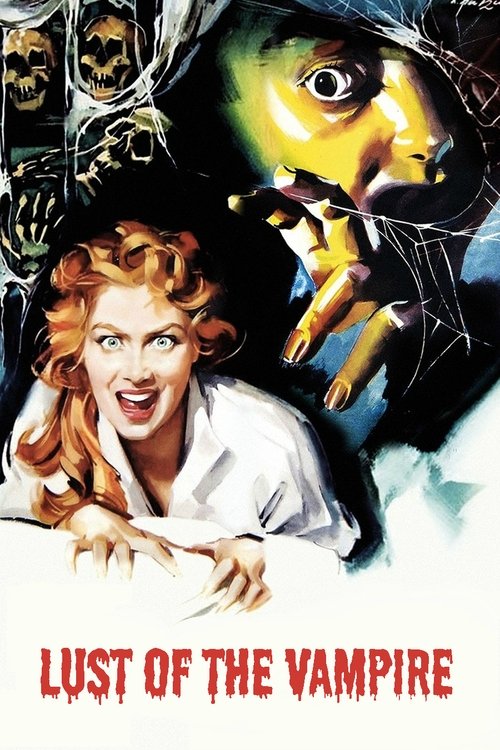
Lust of the Vampire is a classic example of its era, emphasizing atmosphere and genre conventions over social critique. The narrative relies on established Gothic clichés that reinforce mid-20th-century power dynamics. The film presents a culturally homogeneous setting and a rigid gender hierarchy. Male characters drive the plot, while female characters are often passive victims of violence. Ultimately, the film functions as a traditional Gothic horror piece, maintaining the status quo of its time.
Category Breakdown
The film follows traditional Gothic horror conventions from the 1950s. It does not include any non-straight or non-cisgender identities or narratives that challenge the assumption that everyone is straight or cisgender. The story focuses on traditional predatory archetypes.
Gender hierarchies are emphasized through the 'damsel in distress' motif. Male characters have most of the control and drive the plot, while female characters are portrayed as passive victims of violence.
The cast is made up of actors who match the Western European aristocratic setting of the era. There are no non-white characters or attempts at color-blind casting.
The film uses traditional Gothic clichés to reinforce established social and moral structures. It does not critique Western institutions or religious practices.
There are no prominent depictions of physical or neurodivergent disabilities used as central narrative drivers or character traits.
Present on Screen
Limited or Absent
Official Synopsis
A mad scientist captures young women and drains their blood, in order to keep alive an ancient, evil duchess.
1969
1960
1958

1932
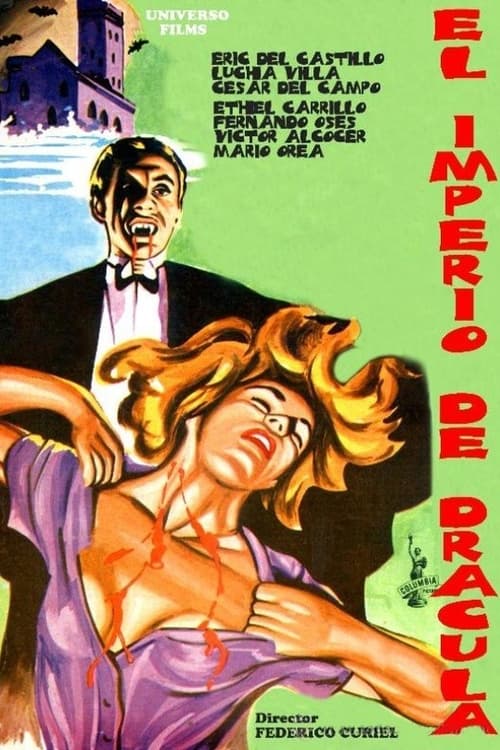
1967
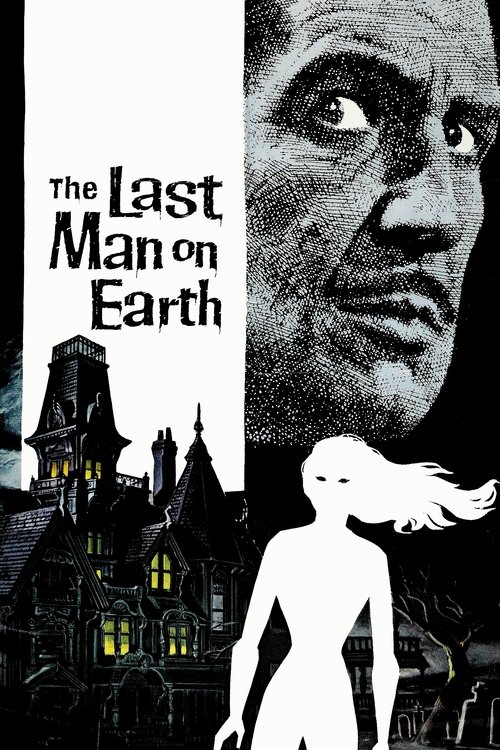
1964
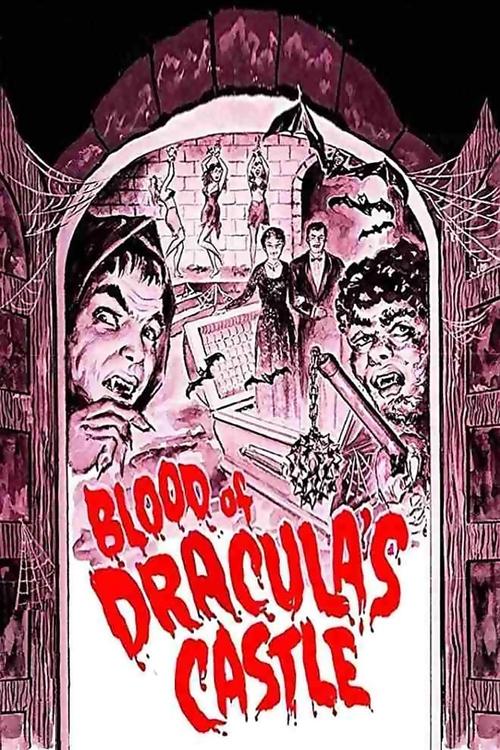
1969
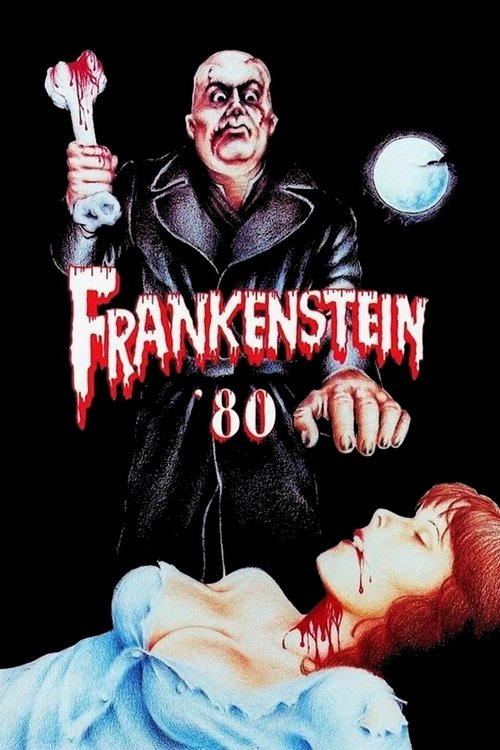
1972
No reviews yet. Be the first to share your thoughts on this movie!
Use the rating form above to leave a star rating and optional review.