
A Macabre Legacy
1939
No user ratings available yet
Representation score: 2.8 out of 10
Representation Score
Limited
1969
Director
Jaime Salvador
Runtime
85 minutes
Average Rating
No ratings yetNew Showbiz Analysis
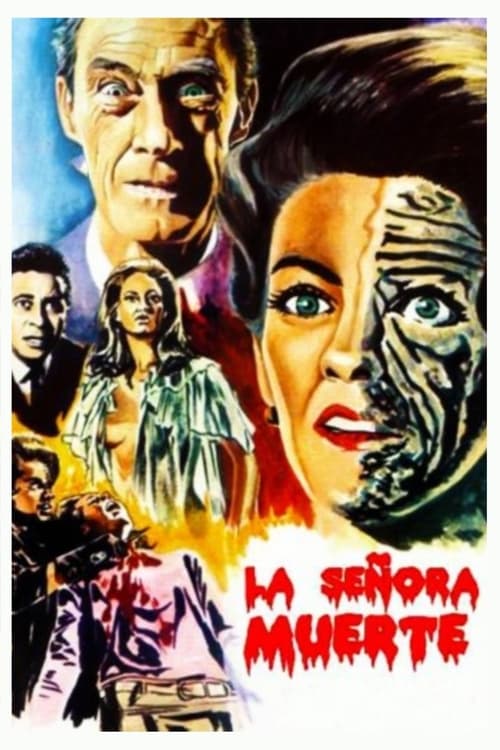
Madame Death is a standard 1969 genre piece that relies heavily on established horror archetypes. The narrative structure prioritizes traditional formulas over any meaningful social subversion or multi-layered representation. Characters are defined by narrow roles: the dominant male scientist and the female antagonist driven by aesthetic obsession. This reinforces conventional gender hierarchies rather than challenging them. The film lacks intentionality regarding diverse representation, functioning instead as a period-typical exploitation piece that uses physical difference primarily to generate tension and horror.
Category Breakdown
The film operates within a framework that assumes everyone is straight and cisgender. The plot centers around a male-female relationship, with no evidence of LGBTQ+ identities or same-sex relationships.
While the female antagonist drives the plot, her role is tied to vanity and beauty clichés. The male lead follows the traditional mad scientist archetype, emphasizing masculine dominance.
The film appears to follow the homogeneous casting patterns typical of 1969. There is no indication of diverse casting or a non-Anglo-Saxon majority.
The story focuses on individual pathology and scientific ethics. It functions as a cautionary tale about the natural order rather than a critique of systemic institutions.
Physical disfigurement serves as a primary plot driver. The character risks being a tool for horror tension rather than a nuanced representation of lived experience.
Present on Screen
Limited or Absent
Official Synopsis
A mad scientist teams with an evil, disfigured woman to kidnap and operate on young women to make her look beautiful again.
1939

1958

1957

1960
1969
1967
1963
1969
No reviews yet. Be the first to share your thoughts on this movie!
Use the rating form above to leave a star rating and optional review.