
Make Me A Woman
1965
No user ratings available yet
Representation score: 3.4 out of 10
Representation Score
Limited
1969
Director
Apostolos Tegopoulos
Average Rating
No ratings yetNew Showbiz Analysis
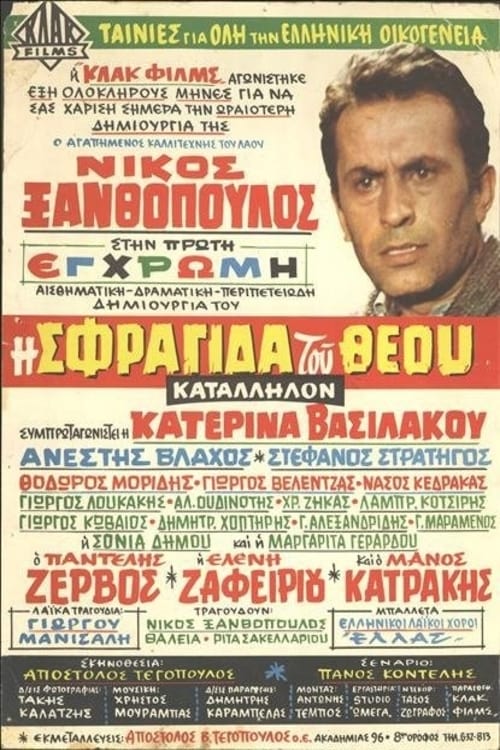
The Seal of God is a traditional period drama that follows mid-century storytelling patterns. The narrative focuses on localized interpersonal conflicts and established social hierarchies without challenging them. While the film explores themes of honor and redemption, it does so through a strictly conventional lens. The plot relies on patriarchal authority and traditional romantic clichés to drive its moral arc. Ultimately, the film serves as a reflection of its specific cultural era, emphasizing localized social norms over diverse or disruptive representation.
Category Breakdown
The story centers around a romantic conflict that assumes everyone is straight or cisgender. There are no characters with non-conforming gender identities or critiques of heterosexuality in the plot.
The female lead plays a central role in driving the story, but her actions are largely influenced by patriarchal decisions. She shows emotional strength but is primarily used to advance male conflicts.
Set on a Greek island, the film features a cast that reflects the local population of the time. It captures the social constraints of 1969 Greek society without showcasing a variety of ethnic backgrounds.
The narrative engages with traditional social structures such as family honor and patriarchal authority. It reinforces conventional ideas of justice and familial responsibility.
The provided synopsis contains no mention of characters with visible or invisible disabilities.
Present on Screen
Limited or Absent
Official Synopsis
After many years of working at sea, Andreas returns to his island in order to clear his dead father's name and settle his debts by taking back his family's boat. Yannis is the powerful man on the island and the one responsible for his father's death. Andreas falls in love with Yannis' daughter, without knowing who her father is. Even when he finds out, his feelings for the girl do not change. On the contrary, Yannis refuses to accept this relationship and insists on giving his daughter to his trusted friend Stavros. The two suitors fight hard for the girl's heart, until her father realizes the wickedness of his favorite and entrusts his daughter to Andreas.
1965
1965

1969

1965
1969
1962
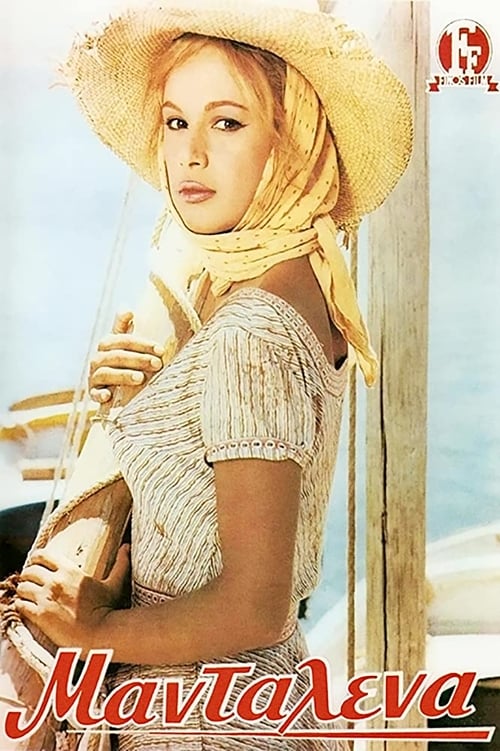
1960

1959
No reviews yet. Be the first to share your thoughts on this movie!
Use the rating form above to leave a star rating and optional review.