Song of Experience
1986
No user ratings available yet
Diversity score: 4.3 out of 10
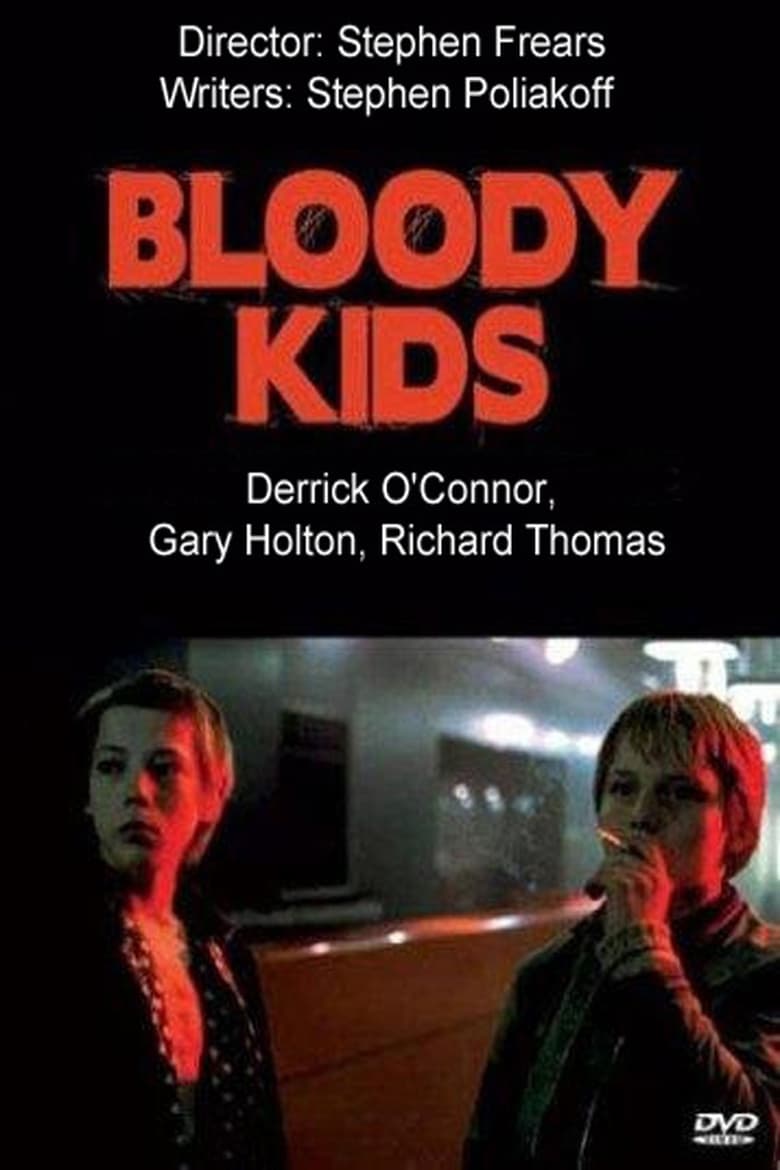
1980
Director
Stephen Frears
Runtime
91 minutes
Average Rating
No ratings yetSynopsis
The slender premise springs from the actions of two listless 11-year-old boys, the cold, manipulative Leo, and his weaker, more impressionable friend, Mike. Contemptuous of the fallible police force (Mike has already filched a police hat from an accident scene), the boys arrange a staged knife fight outside a football stadium with the aid of a bag of stage blood and a real blade.
Overall Score
Fair
Category Breakdown
LGBTQ+ Representation
The film lacks explicit evidence of LGBTQ+ characters or non-heteronormative identities. The narrative focus remains centered on youth rebellion and class-based friction.
Gender Representation
The story may subvert patriarchal structures by emphasizing youth agency over adult hierarchies. However, specific character arcs for the female cast remain undefined.
Racial & Ethnic Diversity
The production reflects the demographic homogeneity typical of 1980s British television. There is no evidence of a non-Anglo-Saxon majority cast.
Religious & Cultural Diversity
The film excels by critiquing traditional Western institutions of law and order. It prioritizes anti-authoritarianism and situational morality over institutional ideals.
Disability Representation
There is no discernible evidence regarding the inclusion or portrayal of characters with physical or neurodivergent disabilities.
Strengths
Areas for Improvement
AI Analysis
Bloody Kids is a characteristically social-minded drama that prioritizes thematic rebellion over demographic breadth. While the creative team of Stephen Frears and Stephen Poliakoff brings a sophisticated understanding of class and institutional friction, the film's casting and character focus remain narrow. The narrative's strength lies in its cultural critique of authority. By centering on a prank against the police, the film challenges established hierarchies and explores the friction between youth and the state. However, the film lacks significant visibility for LGBTQ+ individuals and racial minorities. It reflects the localized, homogeneous demographic landscape of early 1980s British television, resulting in a limited range of lived experiences.
1986

1983
2019

1980
1987
1995
1990
No reviews yet. Be the first to share your thoughts on this movie!
Use the rating form above to leave a star rating and optional review.