The Guyver: Bio-Booster Armor
1989
No user ratings available yet
Representation score: 4.7 out of 10
Representation Score
Limited
1986
Not RatedDirector
Ichiro Itano
Runtime
82 minutes
Average Rating
No ratings yetNew Showbiz Analysis
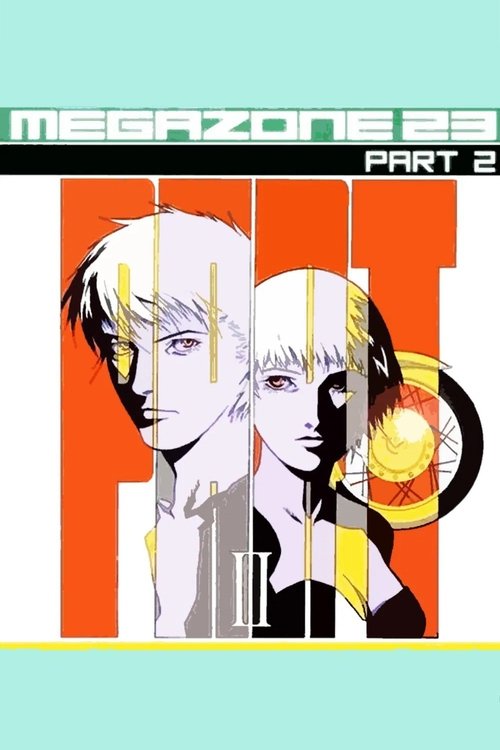
Megazone 23 II is a cyberpunk film that emphasizes philosophical inquiry over demographic diversity. It adheres to traditional social frameworks, particularly concerning gender and sexual orientation. However, the film's strength lies in its critique of systemic power and shadow governments. By questioning the legitimacy of controlling institutions, it offers a profound exploration of individual autonomy against technological dominance.
Category Breakdown
The story focuses on the relationship between Shogo and Yui, emphasizing traditional romantic pairings. There are no representations of non-binary genders or same-sex relationships.
Female characters such as Yui play key roles, providing technical support and romantic interest. They actively engage in the high-stakes survival scenarios typical of science fiction narratives.
The film sets its story in a futuristic Tokyo, presenting a culturally homogeneous environment. It avoids racial stereotypes but does not feature a diverse cast, focusing instead on universal themes of man versus machine.
The narrative critiques systemic power and shadow governments using a postmodern skepticism towards centralized authority. It explores the corruption of information and institutional control.
There are no prominent depictions of physical, sensory, or neurodivergent disabilities. The narrative focuses on psychological and existential struggles rather than physical impairments.
Present on Screen
Limited or Absent
Official Synopsis
The Dezalg have returned with a new, horrible weapon and unleashed it on Megazone 23's defenses. Believing their salvation is also in new weapons, B.D. is again bent on breaking the EVE's final protection level.Full control of Megazone 23 would mean unfettered weapons development. Shogo, meanwhile, has tried to return to a 'normal' life; Hanging out with his biker gang, "Trash" and his girlfriend, Yui. But, his convictions about the Megazone's shadow government policies haven't changed and when EVE calls for his help, he discovers where the Garland bike has been hidden. It's showdown time for Shogo and B.D., Trash and the military, as well as the Dezalg and Megazone. However, EVE's final secret, A.D.A.M., may mean no one will survive.
1989
1984
1986
1993

1989
1982
1989
1989
No reviews yet. Be the first to share your thoughts on this movie!
Use the rating form above to leave a star rating and optional review.