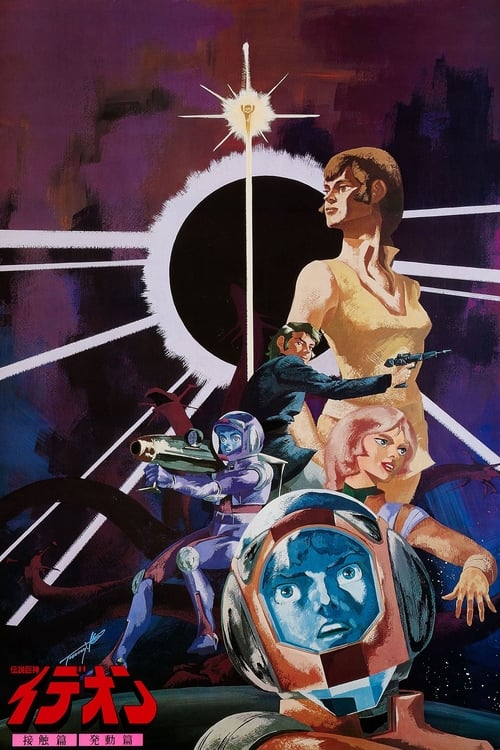
Space Runaway Ideon: Contact
1982
No user ratings available yet
Diversity score: 5.6 out of 10
1982
TV-MADirector
Yoshiyuki Tomino, Toshifumi Takizawa
Runtime
98 minutes
Average Rating
No ratings yetSynopsis
The epic conclusion to the Ideon saga, featuring what was meant to be the final 5 episodes of the TV series. The Solo Ship and its crew continue their intense battle with the Buff Clan leading to a final battle that will determine the fate of all life in the universe. This movie was the second part of a double feature along with "The Ideon: A Contact".
Overall Score
Good
Category Breakdown
LGBTQ+ Representation
The film lacks explicit focus on non-cisnormative identities or same-sex intimacy. Character arcs and dialogue do not establish a presence of LGBTQ+ agency, remaining within the era's genre constraints.
Gender Representation
The narrative disrupts hierarchies by portraying male protagonists as psychologically fractured and indecisive. Female characters hold agency within the crew, though all characters are ultimately depicted as victims of cosmic trauma.
Racial & Ethnic Diversity
The Buff Clan serves as a metaphorical 'non-human other,' allegorizing the clash of civilizations. This framework explores systemic otherness and the failure of cross-cultural communication through biological imperatives.
Religious & Cultural Diversity
The film offers a profound critique of military command and organized authority. It rejects traditional triumphalism, favoring a radical moral relativism that deconstructs the grand narratives of human progress.
Disability Representation
Mental health and psychological trauma are central to the plot. The film depicts characters' descent into madness as a realistic consequence of existential dread rather than utilizing inspiration porn.
Strengths
Areas for Improvement
AI Analysis
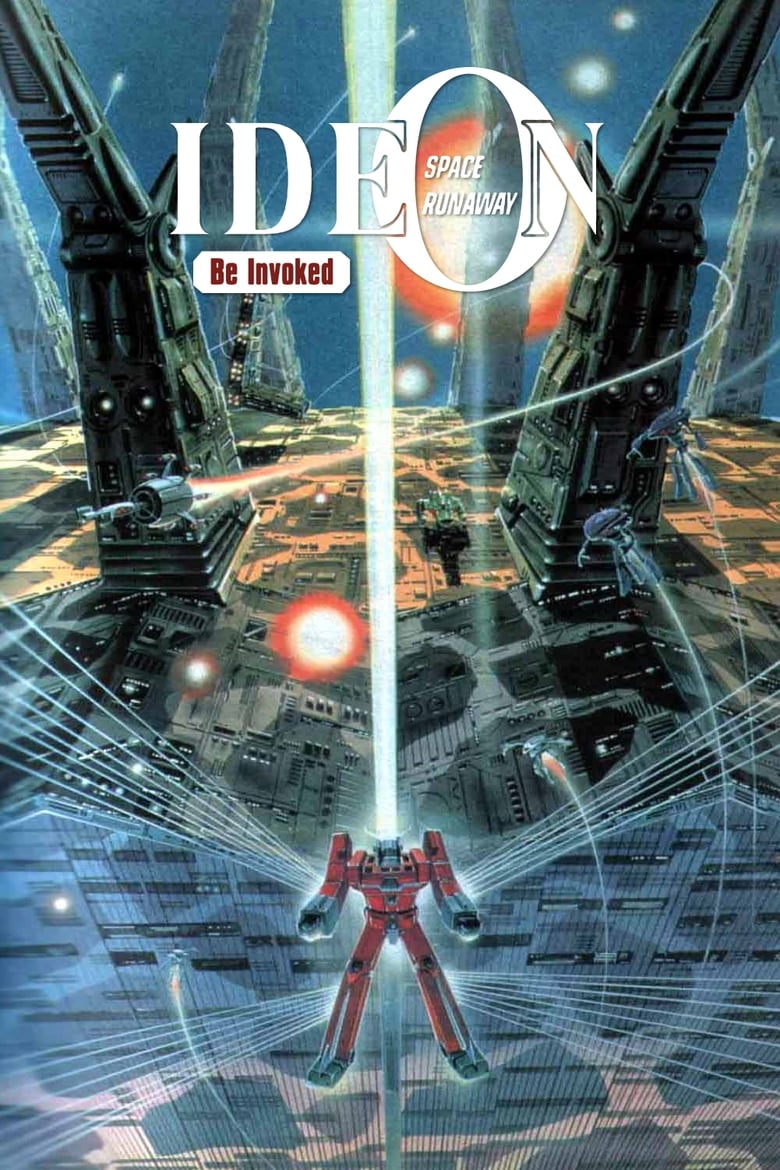
Space Runaway Ideon: Be Invoked is a deconstructionist science fiction epic that replaces heroic tropes with existential nihilism. It excels at subverting traditional power structures and moral binaries, using non-human species to explore the friction between the self and the other. The film's strength lies in its sophisticated critique of institutional authority and its nuanced portrayal of psychological instability. It avoids the optimism of standard space operas, opting instead for a harrowing look at systemic failure. However, the film lacks explicit representation for LGBTQ+ identities and remains limited by the genre constraints of its time. While it explores mental fragmentation, it does not address clinical disability through a traditional lens.
No reviews yet. Be the first to share your thoughts on this movie!
Use the rating form above to leave a star rating and optional review.