Snowroller
1985
No user ratings available yet
Diversity score: 2.2 out of 10
1979
Director
Lasse Åberg
Runtime
85 minutes
Average Rating
No ratings yetSynopsis
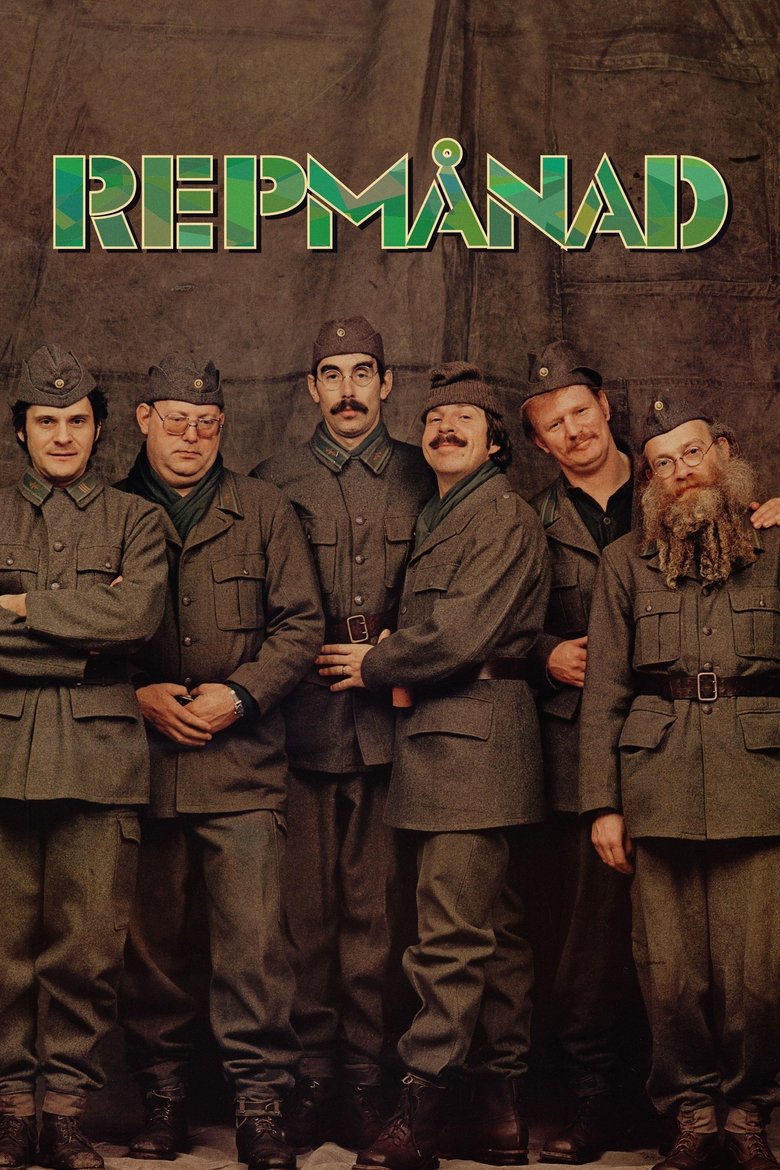
It's time for Jonsson to return to his old regiment to rehearse what he learned during conscription a few years ago. He meets his old friends, platoon leader Larsson and the music loving captain 'Beethoven'. Jonsson and his comrades doesn't take it very serious - but they have a jolly good time. A female journalist follows the exercise to write an article, and gets interested in him.
Overall Score
Limited
Category Breakdown
LGBTQ+ Representation
The film follows a traditional heteronormative trajectory. Social dynamics center on conventional romantic interests between the male protagonist and a female journalist.
Gender Representation
The narrative focuses heavily on male camaraderie within a military setting. While a female journalist provides a different perspective, the film reinforces standard masculine social environments.
Racial & Ethnic Diversity
The cast reflects the demographic homogeneity of 1970s Sweden. The setting functions as a culturally uniform space with a predominantly white cast.
Religious & Cultural Diversity
The story portrays Western institutions like the military through a lens of slapstick. It maintains standard social cohesion without deconstructing traditional social structures.
Disability Representation
Characters represent a standard able-bodied social circle. There is no evidence of characters with visible or invisible disabilities serving as narrative drivers.
Strengths
Areas for Improvement
AI Analysis
The Call-up serves as a period-specific cultural artifact that prioritizes observational humor over intersectional representation. It reflects the social and demographic norms of late-1970s Sweden without attempting to disrupt conventional expectations. The film's focus remains on traditional masculine camaraderie and established gender roles. While it mocks the absurdity of military discipline, it does not use this comedy to challenge systemic hierarchies or promote diverse identities. Ultimately, the work operates within the social constraints of its era. It lacks significant representation of racial, LGBTQ+, or disability-related diversity, functioning instead as a snapshot of a culturally uniform society.
1985

1980
1974

1977

1970
1959

1957
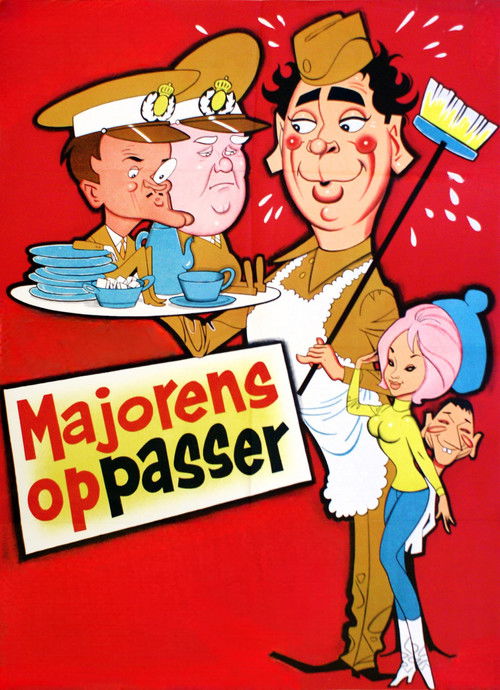
1964
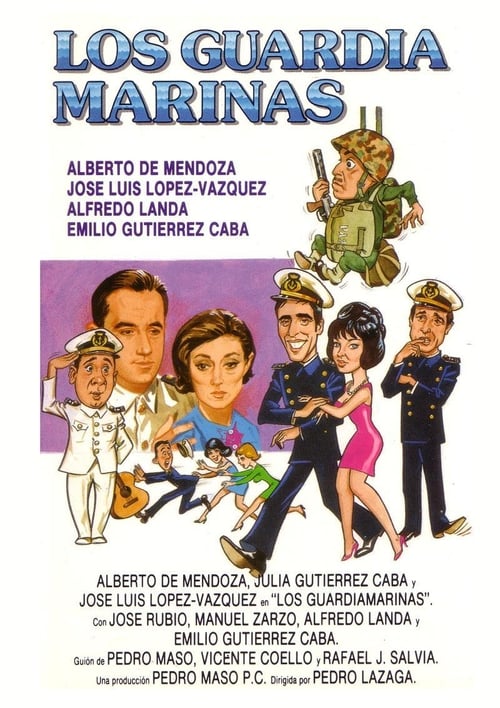
1967

1960

1969
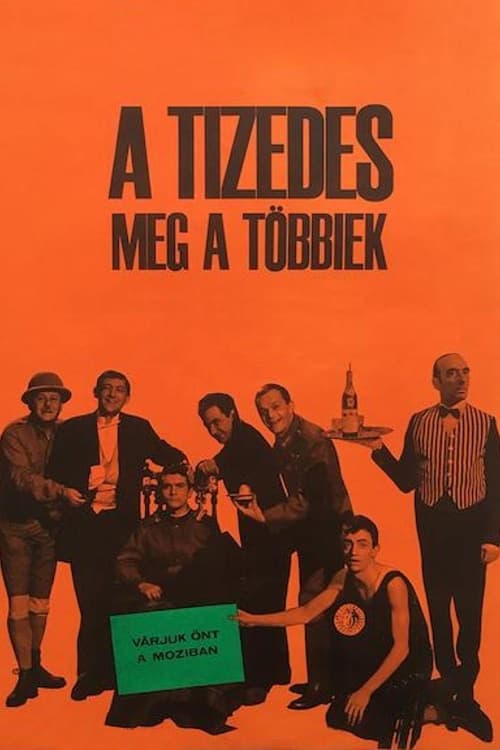
1965
No reviews yet. Be the first to share your thoughts on this movie!
Use the rating form above to leave a star rating and optional review.