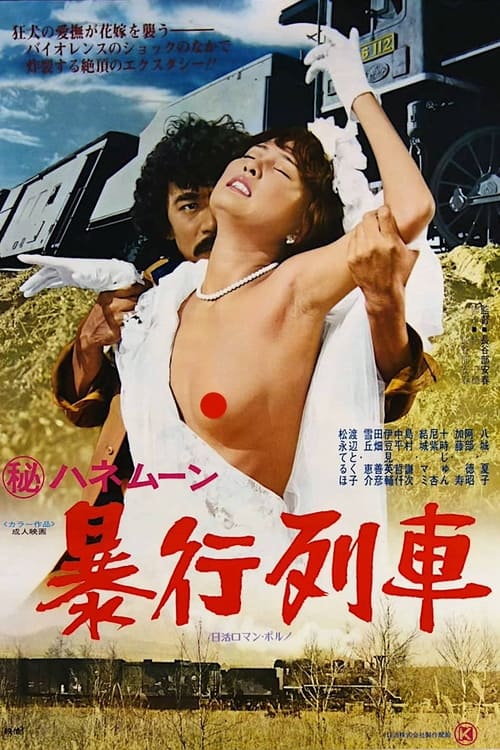
Secret Honeymoon: Assault Train
1977
No user ratings available yet
Representation score: 1.2 out of 10
Representation Score
Limited
1969
Director
B.H. Dial
Runtime
66 minutes
Average Rating
No ratings yetNew Showbiz Analysis
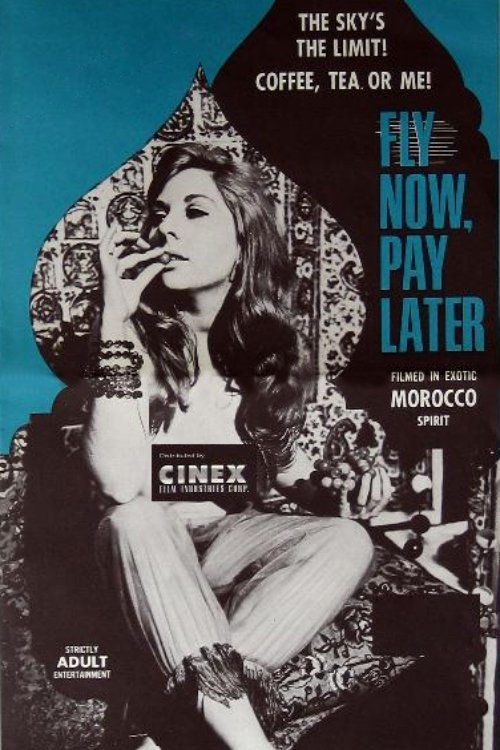
Fly Now, Pay Later is a traditional 1969 crime drama that follows the narrative conventions of its time. The film centers on a female protagonist, but her role is defined by vulnerability rather than empowerment, reinforcing outdated gender stereotypes. The production lacks depth in representing diverse identities and cultures, sticking to the homogeneous standards of the era. Ultimately, the film upholds established social norms without challenging them.
Category Breakdown
The film does not include any representation of LGBTQ+ identities or same-sex relationships. The plot revolves around traditional heterosexual relationships and conflicts.
The main character, a stewardess, is portrayed as a hostage, which emphasizes her vulnerability and limits her ability to take control of the situation. Her role is overshadowed by male-dominated elements.
The cast appears to be predominantly white, reflecting the homogeneous casting standards of the late 1960s. There is no significant representation of characters from diverse racial backgrounds.
The storyline involves drug smuggling, which likely reinforces traditional views on crime and social order. The narrative does not challenge or question these norms.
There is no information regarding the inclusion of characters with visible or invisible disabilities in the cast or synopsis.
Present on Screen
Limited or Absent
Official Synopsis
A stewardess is taken hostage by a gang of drug smugglers.
1977

1955
1976
1995
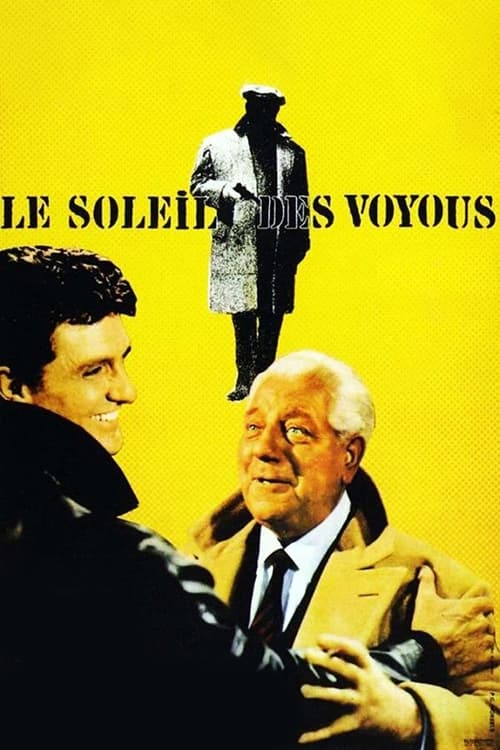
1967
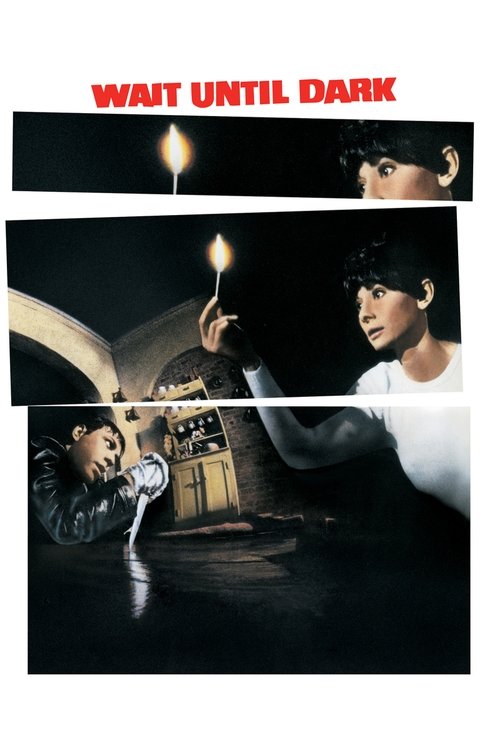
1967
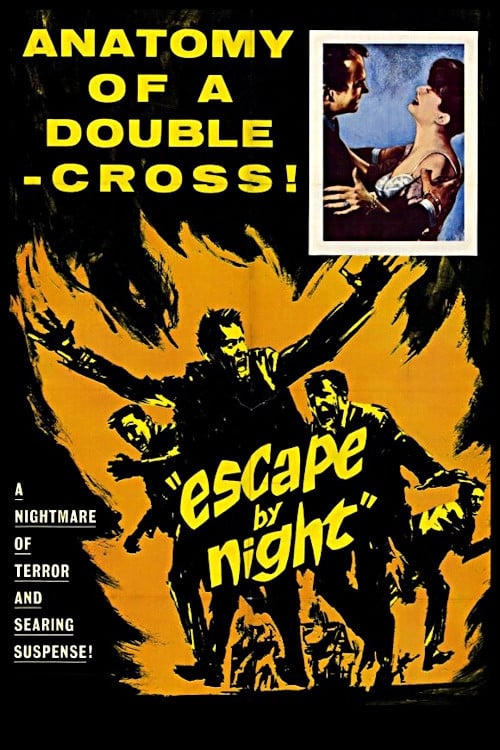
1964
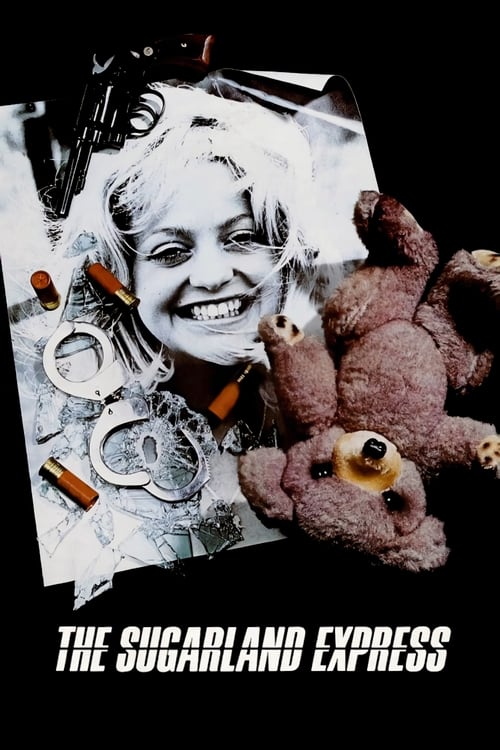
1974
No reviews yet. Be the first to share your thoughts on this movie!
Use the rating form above to leave a star rating and optional review.