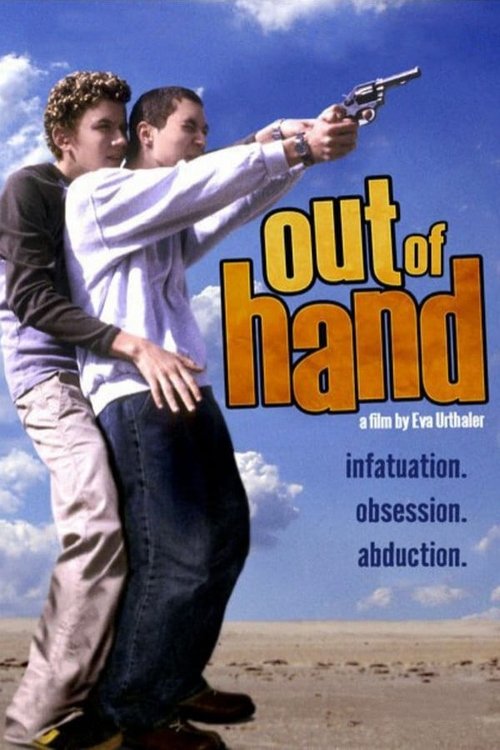
Out of Hand
2005
No user ratings available yet
Representation score: 4.8 out of 10

Representation Score
Limited
1996
Director
Craig David Wallace
Runtime
20 minutes
Average Rating
No ratings yetNew Showbiz Analysis
The film explores social alienation and the disruption of institutional complacency. It centers on a protagonist driven to extremes by the pressures of school hierarchies and daily routines. While the film lacks significant markers of multi-layered identity, such as LGBTQ+ or racial representation, it finds strength in its cultural critique. By portraying anti-social rebellion as a reaction to systemic monotony, it challenges the perceived stability of traditional social integration. Ultimately, the work heavily emphasizes masculine struggle and counter-cultural themes, leaving many other demographic categories unaddressed.
Category Breakdown
The film does not include explicit LGBTQ+ characters or identities that go beyond the assumption that everyone is straight. The story focuses on adolescent alienation and rebellion rather than identity-related discussions.
The narrative emphasizes a male-dominated perspective, focusing on young men navigating school hierarchies. There is a noticeable lack of visible female influence in the main conflict.
Specific details about the racial makeup of the cast are unavailable. This makes it hard to determine if the casting includes a mix of different races or is predominantly one race.
The film challenges social stability by presenting rebels as protagonists who disrupt everyday life. It critiques conventional institutional environments and traditional social structures.
There is no indication of characters with visible or invisible disabilities in the narrative.
Present on Screen
Limited or Absent
Official Synopsis
A young man, bored with his monotonous daily routine (which includes being pushed around at school by jocks and holding a loaded gun to his head), joins an organised group of rebels (led by a cable-TV repairman) who abduct teenagers who have become complacent with their mundane existences.
2005

2001
2017

2003

1999

1933

2020

1979
No reviews yet. Be the first to share your thoughts on this movie!
Use the rating form above to leave a star rating and optional review.