Awakening from the Dead
2005
No user ratings available yet
Diversity score: 5.4 out of 10
2010
Director
Siniša Dragin
Runtime
113 minutes
Average Rating
No ratings yetSynopsis
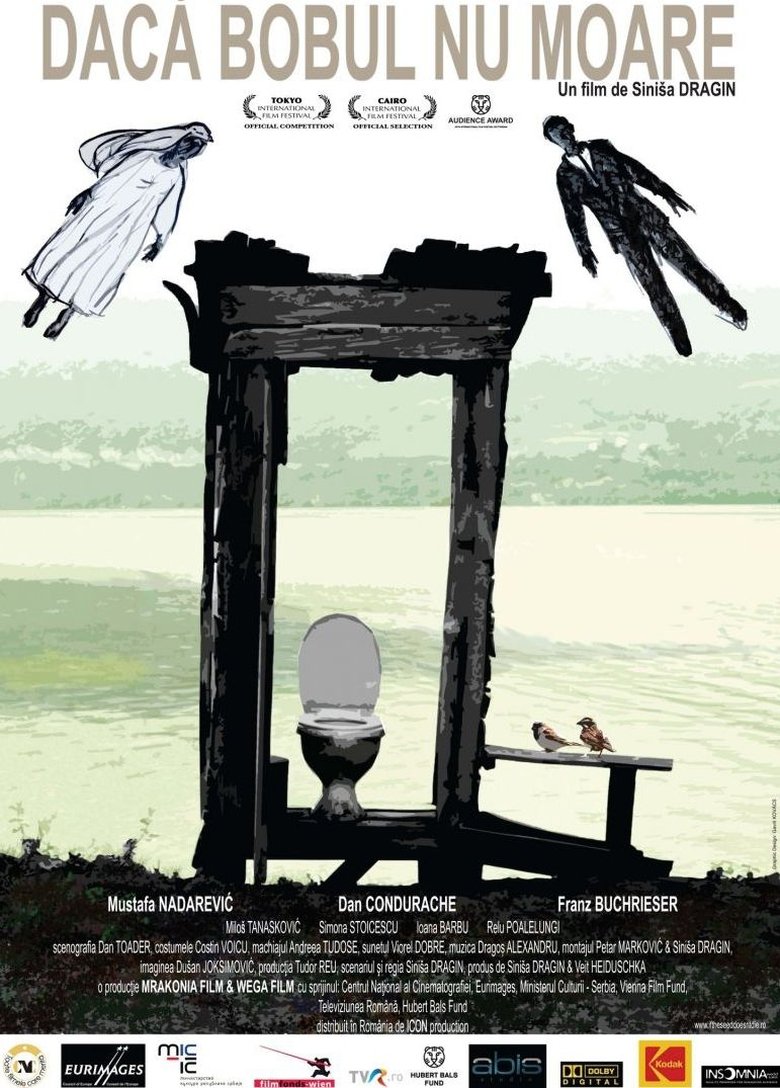
Two fathers, a Romanian searching for his daughter who was forced into prostitution in Kosovo, and a Serbian seeking the body of his son killed in a car accident in Romania, meet on the river Danube. A boatman recounts the 200 year-old legend of Romanian peasants struggling unsuccessfully to move an old wooden church up the hill to their village at a time when building Orthodox churches was prohibited.
Overall Score
Fair
Category Breakdown
LGBTQ+ Representation
The film lacks explicit evidence of LGBTQ+ characters or narratives. The story focuses on patriarchal grief and familial loss rather than non-heteronormative identities.
Gender Representation
The narrative centers on male experiences of loss and searching. While a woman is central to the plot, she is framed through the lens of male trauma and systemic exploitation.
Racial & Ethnic Diversity
The film explores ethnic complexity by navigating Romanian and Serbian identities. It disrupts monolithic regional views by centering the friction between these two distinct Balkan identities.
Religious & Cultural Diversity
The story uses a legend about building an Orthodox church to critique historical institutional power. It explores themes of displacement and survival against systemic religious restrictions.
Disability Representation
There is no visible or mentioned representation of physical or neurodivergent disabilities within the narrative.
Strengths
Areas for Improvement
AI Analysis
The film excels at deconstructing regional borders and exploring the intersection of different Balkan identities. By focusing on the shared trauma of Romanian and Serbian characters, it moves beyond simple nationalistic tropes to offer a nuanced view of historical hardship. However, the work is limited by a heavy focus on traditional masculine roles. The female characters are primarily defined by their relationship to male grief, and there is a notable absence of LGBTQ+ or disability representation. Ultimately, the film's strength lies in its cultural critique and its ability to use geography and legend to examine systemic oppression and ethnic tension.
2005
2009
2012
2003

2002
2001
2014
2014
1998

2019
2006

2012
No reviews yet. Be the first to share your thoughts on this movie!
Use the rating form above to leave a star rating and optional review.