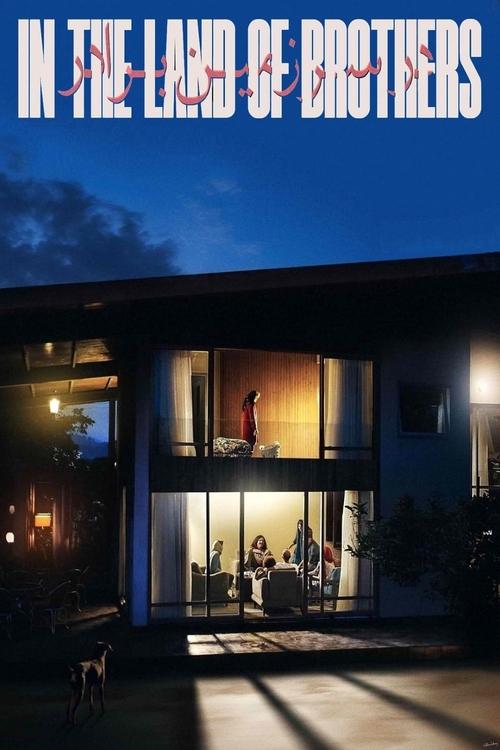
In the Land of Brothers
2024
No user ratings available yet
Diversity score: 6.0 out of 10

2019
Director
Sylvain Labrosse
Runtime
81 minutes
Average Rating
No ratings yetSynopsis
Emil and his brother, Stanko, have something in common: they both remember a terrible event that happened when they were children in Montenegro. Both are now immigrants in France: Emil moves in with his friend Gabrielle, while Stanko attempts to climb the ladder on the fringes of lawfulness, in the world of gambling and cock fighting. Anna, their mother, who has never forgotten her home country, dreams of going back to Montenegro as a family. The arrival of Larkos, their uncle, who has finally been released from prison and is over the moon to be reunited with his first love, will catalyse events and the inevitable confrontation...
Overall Score
Good
Category Breakdown
LGBTQ+ Representation
The plot introduces potential non-traditional romantic dynamics through Larkos and his first love. However, it remains unclear if these relationships explicitly challenge heteronormative structures.
Gender Representation
Anna serves as the emotional and structural anchor of the family. Her matriarchal agency shifts the narrative focus away from traditional male leadership.
Racial & Ethnic Diversity
The film provides a nuanced look at the Montenegrin diaspora in France. It centers on non-Western immigrant experiences and the complexities of Balkan heritage.
Religious & Cultural Diversity
The story explores the friction between immigrant perspectives and Western social structures. It frames the desire for repatriation as a valid, disruptive pursuit.
Disability Representation
There are no clearly defined depictions of physical, sensory, or neurodivergent disabilities within the narrative.
Strengths
Areas for Improvement
AI Analysis
Band of Brothers offers a sophisticated look at the Montenegrin diaspora, moving beyond Western-centric norms to explore the psychological fallout of displacement. The film succeeds by centering ethnic identity and the struggle for integration within a French context. While the narrative subverts patriarchal hierarchies by giving Anna significant agency, it lacks explicit confirmation regarding queer identities. The portrayal of Larkos's romantic history provides a hint of non-traditional dynamics but remains somewhat ambiguous. Overall, the film is a character-driven study of displacement. It effectively uses the immigrant experience to critique established societal norms and the instability of life on the fringes of legality.
2024

2017
2003
2023
2023

2020

2017

2006
2001

2026

1989

2023
No reviews yet. Be the first to share your thoughts on this movie!
Use the rating form above to leave a star rating and optional review.