Animal
2021
No user ratings available yet
Representation score: 6.3 out of 10
Representation Score
Minimal
2023
Director
Freddie Röckenhaus
Runtime
132 minutes
Average Rating
No ratings yetNew Showbiz Analysis
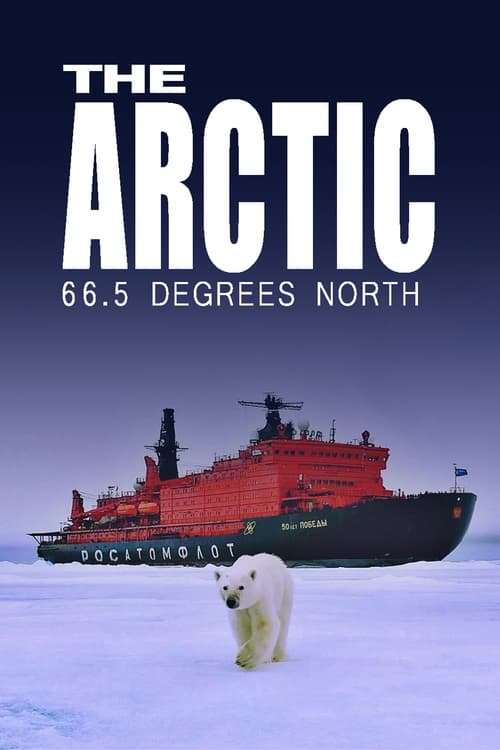
The Arctic: 66.5 Degrees North functions primarily as an ecological document rather than a social narrative. Since the film's subjects are non-human species and geological phenomena, it does not provide the traditional framework needed for diverse human representation. While it does not engage with human-centric categories like gender or race, the film excels in its systemic perspective. It challenges the traditional narrative of environmental stability by showcasing the reality of rapid, systemic collapse. Ultimately, the film's strength lies in its exploration of the instability of the natural world, reflecting contemporary discussions about the fragility of global systems.
Category Breakdown
This documentary focuses solely on environmental and ecological changes. There are no characters or stories related to LGBTQ+ identities.
The main subjects are the Arctic landscape, permafrost, and marine life. There are no human gender hierarchies or character-driven gender dynamics in the film.
The narrative centers on biological and geological realities like shrinking pack ice. It does not highlight human demographic representation or specific ethnic groups within the Arctic.
The film presents the environmental crisis as a systemic issue. By emphasizing rapid ecological shifts, it challenges traditional views of human dominion over nature.
There are no human characters or depictions of neurodivergence or physical disabilities in this environmental documentary.
Present on Screen
Limited or Absent
Official Synopsis
The beauty of the Arctic is breathtaking. For as long as we can remember, the Arctic has been associated with inhospitable cold. But the climate is changing, and with it the northern polar region, which begins beyond latitude 66.5 degrees north. Climate change is now happening four times faster north of the Arctic Circle than on the rest of the planet, making the future outlook dire. At the moment it is still possible for polar bears to raise their cubs, but hunting is becoming increasingly difficult on the drastically shrinking pack ice. The disappearance of the ice also affects the marine fauna. The wintry ice bridge between Canada and Greenland is threatened with collapse. The unstoppable melting of the permafrost, which has held the tundra together for thousands of years, is worrying. But the Arctic is still one of the wildest and loveliest regions on earth. A documentary visit to the Arctic - as long as it still exists.
2021
2009
2022
2017
2021
2012
2020
2016
No reviews yet. Be the first to share your thoughts on this movie!
Use the rating form above to leave a star rating and optional review.