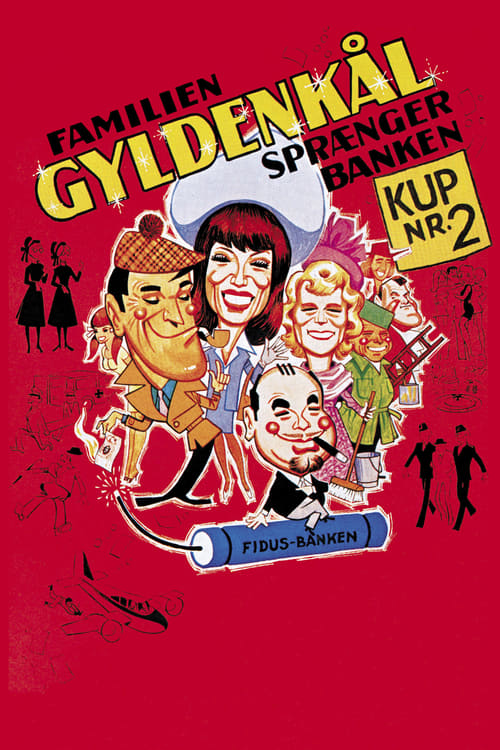
The Goldcabbage Family Breaks the Bank
1976
No user ratings available yet
Representation score: 1.8 out of 10
Representation Score
Limited
1977
Not RatedDirector
Bent Christensen
Runtime
81 minutes
Average Rating
No ratings yetNew Showbiz Analysis
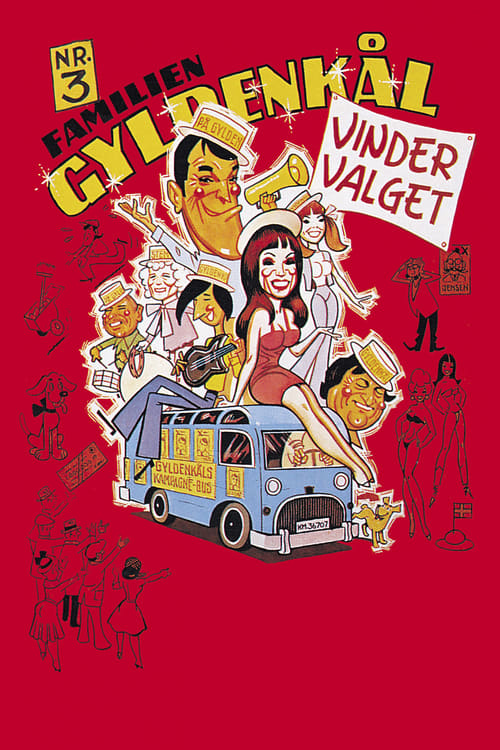
The Goldcabbage Family Gets the Vote is a period-specific social comedy that emphasizes family dynamics and political satire. While it uses an unconventional election campaign to critique local authority, the narrative remains grounded in a traditional framework. The film's focus on a specific Danish family unit limits its representation of racial, ethnic, or LGBTQ+ diversity, reflecting the social context of 1977 Denmark. Ultimately, the film serves as a satire of institutional structures rather than a vehicle for progressive representation.
Category Breakdown
The film does not include explicit representations of LGBTQ+ identities or same-sex relationships. It follows traditional standards without challenging assumptions about gender and sexuality.
The story focuses on Charles Gyldenkål's rise in politics. Although the campaign is described as unconventional, the film adheres to traditional gender roles typical of 1970s municipal comedies.
As a localized Danish production, the film reflects a homogeneous society. There is minimal depiction of racial or ethnic diversity within the family-focused narrative.
The narrative provides a satirical perspective on municipal power and local governance. It explores institutional structures during a financial downturn and political maneuvering.
The film does not feature any characters with visible or invisible disabilities.
Present on Screen
Limited or Absent
Official Synopsis
The final film in the Gyldenkål trilogy. Following a financial downturn, Charles Gyldenkål decides to run for municipal office. After an unconventional election campaign, he is elected to the city council and becomes the deciding vote in the mayoral election.
1976
1975

2017
2023

1962
1959

1966
1963
No reviews yet. Be the first to share your thoughts on this movie!
Use the rating form above to leave a star rating and optional review.