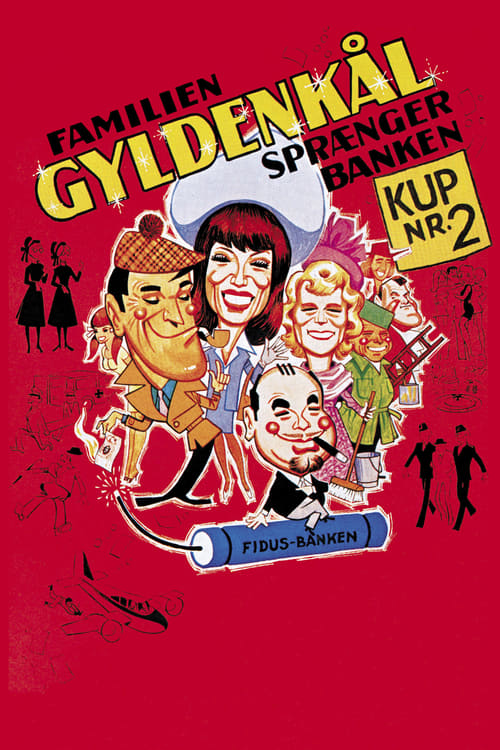
The Goldcabbage Family Breaks the Bank
1976
No user ratings available yet
Representation score: 1.8 out of 10

Representation Score
Limited
1975
Director
Gabriel Axel
Runtime
0 minutes
Average Rating
No ratings yetNew Showbiz Analysis
The film is a character-driven comedy that examines how the Iversen family uses scams to build a reputation of wealth. While the protagonists take control by deceiving financial institutions, the film remains grounded in the social conventions of 1975. It primarily studies class perception and social identity. The narrative lacks a multi-layered approach, focusing instead on the domestic struggles of a single, homogeneous family unit. Ultimately, the film reflects the traditional social stratification of mid-70s European cinema, prioritizing socio-economic climbing over challenging broader social norms.
Category Breakdown
The film focuses on a traditional nuclear family unit and does not include any queer narratives or non-cisgender identities.
The story centers on a family navigating social mobility through deception, reinforcing traditional patriarchal roles typical of the era's crime comedies.
The narrative focuses on a homogeneous demographic within a Danish setting, prioritizing class mobility over racial or ethnic diversity.
The film explores a complex relationship with institutional authority by depicting scams against the IRS, emphasizing conformity to social hierarchies.
There is no indication that disability or neurodivergence plays a role in the character arcs or plot mechanics.
Present on Screen
Limited or Absent
Official Synopsis
The family Gyldenkål is actually called Iversen, but have changed their name, after numerous problems with the IRS, loan sharks and employers. Using clever scams, the family builds up a reputation as a wealthy and respectable part of society.
1976
1977

2017

1959

2023

1966

1960

1973
No reviews yet. Be the first to share your thoughts on this movie!
Use the rating form above to leave a star rating and optional review.