
Exit 67
2010
No user ratings available yet
Representation score: 4.8 out of 10
Representation Score
Limited
2004
RDirector
Saul Dibb
Runtime
89 minutes
Average Rating
No ratings yetNew Showbiz Analysis
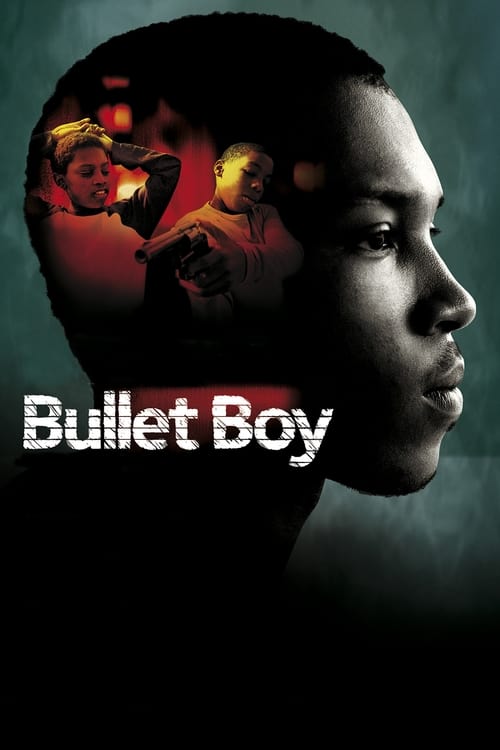
Bullet Boy stands out as a significant work of social realism that challenges the typical crime genre. It frames urban dysfunction through sociological complexity rather than simple moral judgments. The film's primary strength lies in its authentic depiction of the Black British experience and its nuanced critique of institutional authority. It avoids the pitfalls of whitewashing by grounding the story in a cohesive community identity. However, the film lacks representation for LGBTQ+ identities and disabilities. The narrative focus remains heavily centered on masculine peer-group dynamics and socioeconomic struggles.
Category Breakdown
The film does not include any LGBTQ+ characters or explore non-straight identities. Instead, it focuses on the pressures of urban street culture, emphasizing hyper-masculinity.
The story delves into masculinity through a cycle of destructive bravado. While the maternal figure provides moral guidance, the main roles are played by young male characters.
The film authentically portrays the Black British experience with a predominantly Black cast, avoiding including someone from a minority group without giving them real depth and reflecting the specific demographics of South London.
The narrative critiques Western institutions like the police and schools by portraying anti-social behavior as a survival mechanism rather than inherent criminality.
There are no prominent depictions of physical or neurodivergent disabilities that influence the narrative.
Present on Screen
Limited or Absent
Official Synopsis
Ricky is just out of a young offenders institute, heading home to Hackney and determined to go straight. Instead, he heads straight for trouble when he becomes involved in a street confrontation, siding with his best friend Wisdom against a local rude boy. The trouble escalates into a series of tit-for-tat incidents that threaten to spiral out of control. Ricky's 12-year-old brother Curtis, hero-worships Ricky, though he appears smart enough to know he doesn't want to follow his example. Yet, despite the stern warnings from his mother and support from her friends in the community, might Ricky's bad boy allure be too attractive for Curtis to resist?
2010
1992
2005
1983
2010
2010
1998

2017
No reviews yet. Be the first to share your thoughts on this movie!
Use the rating form above to leave a star rating and optional review.