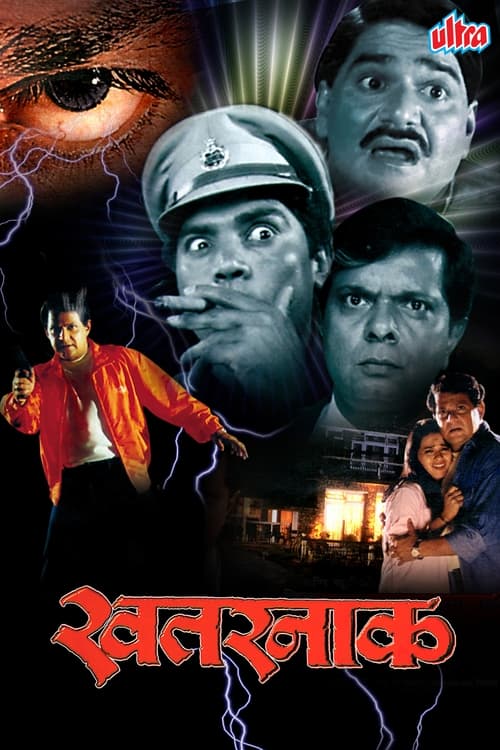
Dangerous
2000
No user ratings available yet
Representation score: 2.0 out of 10
Representation Score
Fair
2001
Director
N. Chandra
Runtime
159 minutes
Average Rating
No ratings yetNew Showbiz Analysis
The style of the film reflects early 2000s commercial Indian cinema, emphasizing traditional storytelling and established social hierarchies. It functions as a high-stakes romantic melodrama driven by men's control over the story and class-based deception. The film maintains a strong, authentic South Asian identity by centering regional faces and social dynamics, avoiding Western-centric casting archetypes common in globalized media. However, the narrative lacks intentionality regarding modern diversity. It adheres to conventional gender roles and offers no representation for LGBTQ+ identities or characters with disabilities.
Category Breakdown
The film does not include any LGBTQ+ characters or explore non-straight relationships. All romantic storylines focus on traditional heterosexual pairings.
Gender roles follow conventional patterns typical of the time period. While the female lead has a strong presence, women often serve as emotional catalysts for the male protagonists' growth.
The cast is predominantly South Asian, reflecting a localized cultural focus that centers regional identity without resorting to whitewashing.
The story operates within traditional social values and melodramatic clichés. It does not actively challenge family structures or prioritize secular themes.
There are no characters with visible or invisible disabilities. The plot focuses on socioeconomic status and romantic conflicts.
Present on Screen
Limited or Absent
Official Synopsis
Chantu and Bantu are a couple of scam-artists trying to woo rich girls for easy money. In the process, they get embroiled in a murder case and become the prime suspects.
2000

2018
2006
2006

2015

2006
1998
1972
No reviews yet. Be the first to share your thoughts on this movie!
Use the rating form above to leave a star rating and optional review.